
2026 Sheet Metal Processing Machinery Buying Guide: How to Select the Right Equipment for Your Factory

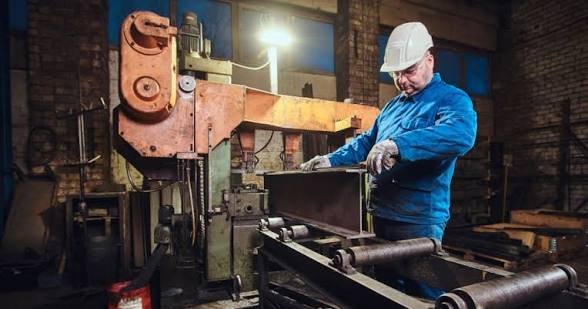
Are you planning to buy new sheet metal processing machines for your factory in 2026? Picking the right equipment can make your business run smoother, save money, and help you keep up with customer demands. This guide walks you through everything step by step. We will cover the main things to think about, the different types of machines, and how to make a smart choice. Let’s get started.
Why Sheet Metal Processing Machinery Matters in 2026
The sheet metal industry keeps growing fast. Factories need better machines to cut, bend, and shape metal quickly and accurately. In 2026, new technology like automation and smart controls will change how things work. Old machines might slow you down or waste materials.
Good equipment helps you produce more parts with less waste. It also reduces worker injuries because modern machines have safety features. If you run a small shop or a big factory, the right machines let you take on bigger jobs and finish them faster. Many business owners say switching to updated machinery increased their output by 30% or more in the first year.
Before you buy, think about your current production needs and what you expect in the next five years. Will you make more car parts, HVAC systems, or metal furniture? Knowing your goals helps you avoid buying machines that are too small or too advanced for your work.
Key Factors to Consider When Buying
Start with your budget. Sheet metal machines can cost from a few thousand dollars for basic models to hundreds of thousands for full automated lines. Write down how much you can spend and include costs for training, maintenance, and spare parts.
Next, look at the machine size and capacity. Measure the largest sheets you work with. Check the thickness of metal you need to process. A machine that handles 3mm steel might not work well for 10mm plates. Make sure the specs match your regular jobs.
Power use is another big point. Newer machines often use less electricity, which saves money over time. Ask for energy ratings and calculate monthly running costs based on your factory hours.
Automation level matters too. Some machines need a worker for every step, while others run with minimal help thanks to CNC controls. If you have trouble finding skilled workers, go for machines that are easier to operate and program.
Safety features should be at the top of your list. Look for guards, emergency stops, and sensors that stop the machine if something goes wrong. Good machines also come with clear manuals and training support from the seller.
Types of Sheet Metal Processing Machines You Need
There are several main types of machines for sheet metal work. Each one does a different job.
Laser cutting machines are very popular in 2026. They cut metal with a strong light beam. These machines give clean edges and work fast on thin to medium sheets. They are great for detailed designs and save material because the cut is very narrow.
Press brakes bend sheet metal into shapes. Modern ones have computer controls so you set the angle and length easily. They come in different sizes for small brackets or long panels. When choosing a press brake, check the tonnage – that is the force it can apply. Higher tonnage handles thicker metal.
Shearing machines cut straight lines on large sheets. They are simple and fast for basic cutting before other steps. Guillotine shears are common and reliable for many factories.
Punching machines create holes and shapes by pressing tools into the metal. CNC turret punch presses can change tools automatically and make many different holes in one sheet. They work well for parts that need lots of openings, like electrical boxes.
For more complex work, consider panel benders or folding machines. These handle large sheets and make multiple bends with high accuracy.
Welding and finishing machines are also important if you assemble parts after cutting and bending. But focus first on the core processing equipment that matches 80% of your daily work.
How to Check Machine Quality and Performance
Always ask for a demo before buying. Visit the seller’s showroom or watch videos of the machine running on similar materials to yours. Pay attention to speed, accuracy, and how loud it is.
Read reviews from other factories in your industry. Talk to current users about maintenance needs and any problems they faced. Reliable machines should have low downtime and easy-to-find parts.
Warranty is key. Look for at least one or two years of coverage on major parts. Find out if the seller offers fast service in your area. A good support team can save you days of lost production when issues come up.
Software is a big part of modern machines. Easy-to-use programs save training time. Make sure the control system works with your existing design files, like DXF or STEP formats.
Finding the Right Supplier for Your Needs
Choose suppliers who understand your industry. They should offer more than just the machine – they need to help with setup, operator training, and future upgrades.
One strong option for quality CNC sheet metal equipment is https://miharmle-cnc.com/. They provide a range of machines with good support for factories of different sizes.
Compare at least three suppliers. Ask for detailed quotes that include delivery, installation, and initial training. Check how long they have been in business and if they have service centers near you.
Delivery time is important too. Some machines have long wait times in 2026 because of high demand. Plan ahead so you do not stop your production while waiting.
Maintenance and Long-Term Costs
Buying the machine is only the start. Plan for regular maintenance to keep it running well. Many factories set aside 5-10% of the machine cost each year for upkeep.
Train your team properly. Operators who know the machine well make fewer mistakes and notice problems early. Good suppliers provide on-site training when the machine arrives.
Think about future upgrades. Some machines allow you to add automation later, like robotic loading systems. This way you can grow without replacing everything.
Track your production data. Many new machines connect to factory software and show how much material you use and how fast you work. This information helps you improve efficiency over time.
Final Tips for Making the Purchase
Make a checklist before you decide. Include your production goals, budget, space in the factory, and power supply. Visit other factories to see similar machines in real use.
Start with the most important machine for your biggest product line. You can add other equipment later as your business grows.
In 2026, focus on machines that are flexible and ready for automation. The factories that invest wisely now will have an advantage in speed and quality.
Take your time with research. Talk to experts and run sample parts on different machines. The right choice will pay for itself through faster work, less waste, and happier customers.
This guide should give you a clear path to select the best sheet metal processing machinery for your factory. If you plan carefully and focus on your real needs, you will build a strong setup that supports your business for years to come. Good luck with your purchase!