

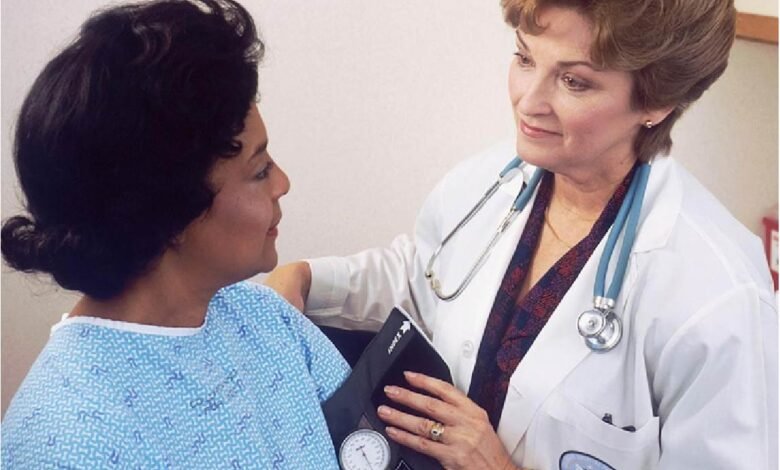
Patients trust doctors and nurses to provide the correct treatment at the right time. Medicine can carry some risks when handled incorrectly. Most people do not expect a simple prescription to cause more health problems.
Safety protocols protect everyone involved in the medical process. Mistakes still happen in busy clinics every day. Knowledge of these risks is a first step toward staying safe in a complex medical system.
The Global Scale Of Medication Issues
Errors involving prescriptions occur more frequently than most people realize. Medication-related harm affects about 1 in 20 patients across the globe. Such a high frequency suggests that safety gaps are present in many different healthcare environments.
Patients might receive the wrong dose or a drug that reacts poorly with their current treatments. Constant vigilance is necessary for both providers and the people they serve. Small mistakes in a lab or a pharmacy can quickly snowball into major health crises.
Factors Contributing To Healthcare Mistakes
Busy schedules and long shifts can cause fatigue among medical staff. High stress levels in emergency rooms may contribute to oversight in routine tasks. Victims of medical malpractice
can struggle to get the answers they deserve after a serious incident. The right legal experts help families navigate the aftermath of such devastating events.
Medical providers have a duty to maintain a high standard of care for every patient. When this standard drops, patients are the ones who pay the price with their well-being. The financial burden of recovery can reach $100,000 or more in severe cases.
Fatal Outcomes In Hospital Settings
The consequences of a pharmacy or bedside error can be permanent. Preventable medication events cause between 44,000 and 98,000 hospital deaths every year, a massive loss of life that could have been avoided with better systems.
Families are left to deal with the grief of losing a loved one to a clerical or clinical slip-up. Hospital administrators work to reduce these numbers through new technology and stricter checking procedures.
How To Avoid Preventable Harm
Not every medical complication is the result of a mistake. Nearly 50% of preventable harm to patients worldwide stems from the inappropriate use of medicine. This statistic highlights a major area where improvements can save lives.
Better education for patients and clearer labeling on bottles can make an impact. Reducing the improper use of medication remains a top priority for safety advocates. Every effort counts when keeping patients healthy.
Common Forms Of Prescription Errors
Errors take many shapes throughout the process of prescribing and dispensing drugs. Some happen at the doctor’s office, and others occur at the pharmacy counter.
- Prescribing the wrong dosage for a patient’s weight or age
- Failing to check for known drug allergies in the patient’s record
- Misinterpreting a handwritten note on a physical prescription pad
- Administering a drug through the wrong route, including oral versus intravenous
Pharmacists and nurses serve as a defense before a drug enters a patient’s system. Their role is to verify every detail. Careful review of every chart is needed to maintain high standards of patient safety.
The Role Of Communication In Safety
Clear dialogue between a doctor and a patient prevents many dangerous situations. Patients should feel comfortable asking questions about why a specific drug is necessary. Knowing the side effects helps a person recognize when something is going wrong.
Medical teams must listen to concerns raised by the person receiving the care. Silence in the exam room can lead to assumptions that result in harm. Openness will connect technical knowledge and patient experience. Doctors who take the time to explain a treatment plan build trust with their patients.
Modern Solutions For Reducing Risk
Technology is changing how hospitals track and deliver medicine to patients. Computerized systems flag potential drug interactions before a doctor finishes an order. Barcode scanning at the bedside confirms that the right person gets the right pill. Tools provide a safety net for human workers who might be tired or distracted.
Adoption of these systems varies by facility and region. Investment in these platforms is growing as healthcare leaders prioritize safety. Digital records make it harder for information to get lost between departments.
Moving Toward A Safer Medical Experience
Hospitals are looking at how they organize their workflows to minimize distractions during high-risk tasks. Empowered patients who track their own medications contribute to a lower error rate. Stay informed about the drugs you take to protect your health.
Small checks contribute to a larger culture of safety. Safe practices benefit the entire community by raising the bar for medical excellence. Professional training sessions help nurses stay current on the latest safety standards.
Patients and providers must work together to identify risks before they turn into tragedies. A better awareness of the statistics shows that the problem is widespread and needs solutions.
Asking questions and verifying information can prevent a trip to the hospital from turning into a crisis. Your health is worth the extra time it takes to double-check a label or a dosage instruction.