

Preventing Guest Anxiety
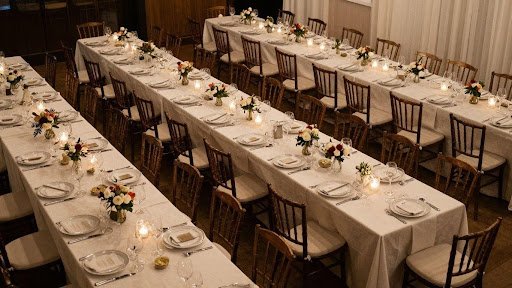
Think about walking into a room full of people and not knowing where to sit. It’s a bit like boarding a plane with open seating – a scramble to find a spot, maybe even a worry about sitting with friends. A well-thought-out seating plan takes this stress away. Guests can relax, knowing exactly where they’ll be seated and who they’ll be sharing a table with. This simple act of assigning seats makes a big difference in how comfortable people feel right from the start.
A good seating plan prevents that awkward hovering and last-minute shuffling. It shows you’ve considered your guests’ experience. This planning step is more than just logistics; it’s about making everyone feel welcomed and settled. When guests aren’t worried about finding a seat, they can focus on enjoying the event itself. This proactive approach to seating arrangements is key to a positive guest experience.
Ensuring A Smooth Event Flow
Beyond just comfort, a seating plan helps keep things moving. When everyone knows their place, it reduces confusion and delays. Imagine trying to start a presentation or a meal when people are still milling about, trying to figure out where to go. A clear seating arrangement means activities can begin on time, contributing to a more organized and efficient event.
This structured approach is particularly helpful for larger gatherings. It guides guests naturally through the space, preventing bottlenecks and ensuring that key moments, like speeches or the start of dinner, happen without a hitch. The seating plan acts as an invisible guide, keeping the event on track and making the entire experience feel more polished and professional for everyone involved.
Facilitating Guest Interactions
While it might seem counterintuitive, a seating plan can actually encourage better conversations. By strategically placing people together, you can introduce individuals who might not otherwise meet but share common interests. This thoughtful grouping can spark new connections and make the event more engaging for your guests. It’s about creating opportunities for meaningful interactions.
Consider the dynamics at each table. Mixing different groups or individuals with shared hobbies can lead to lively discussions. A good seating plan doesn’t just assign seats; it aims to create a pleasant social atmosphere. The goal is to have guests leave not only having enjoyed the event but also having made a new acquaintance or two. This intentionality in seating arrangements can significantly boost the overall success and memorability of your event.
Leveraging Digital Tools For Efficient Planning
Moving Beyond Manual Methods
Forget the days of endless stacks of sticky notes and crumpled floor plans. Trying to map out seating arrangements by hand is a recipe for frustration. It’s time-consuming, prone to errors, and makes last-minute changes feel like a monumental task. Digital tools offer a much smarter way to handle your event layout. They let you visualize your space and move guests around with simple clicks, saving you time and a good deal of stress.
Utilizing Table Planner Free Software
There are many helpful digital table planner tools available, often for free. These platforms are designed to make the process straightforward. You can often upload your venue’s floor plan or build one from scratch. Then, you can drag and drop tables and chairs to see how they fit. Many also allow you to import your guest list, making it easy to assign people to specific seats. This kind of software is a game-changer for event planning. Using a table planner free tool like Seating Planner App can make this process even smoother by letting hosts create, edit, and share their table plan online while organizing guests and tables.
Visualizing Your Event Layout
One of the biggest advantages of using digital tools is the ability to visualize your entire event space. You can see exactly how tables will fit, where walkways will be, and how much space you have for other elements like a dance floor or a buffet. Some advanced planners even offer 3D views, giving you a realistic perspective of the room. This visual aspect helps you spot potential problems before they arise, making your event layout much more effective.
Strategic Guest Grouping For Harmony
Accommodating Family Dynamics
Family structures can be complex, and a seating plan needs to account for these nuances. For divorced parents, if relations are civil, they might share a table, or be seated at separate tables, perhaps near the head table. For blended families, making sure each unit feels recognized is key. It’s often helpful to talk with them beforehand to understand their comfort levels. The goal is to make everyone feel included and respected, avoiding any awkwardness.
Seating Friends Together
People generally feel more at ease when seated with familiar faces. Grouping friends who know each other well, like college buddies or work colleagues, can spark immediate conversation and create a lively atmosphere. This approach helps break the ice and makes guests feel more connected to the event. Keeping groups of friends together is a simple yet effective way to boost guest comfort.
Balancing Personalities At Each Table
Think about the different types of people attending your event. You have the chatty ones, the quiet observers, and those who love to network. A good seating plan mixes these personalities. Placing a few outgoing people with some more reserved individuals can lead to interesting conversations and prevent any one person from dominating or feeling left out. This strategic guest grouping helps create balanced and engaging table dynamics for everyone involved.
Prioritizing Guest Comfort And Accessibility
Seating Elderly Guests Thoughtfully
When planning your event layout, think about your older guests. They might appreciate being seated away from loud music or busy walkways. Placing them closer to exits or aisles can make their arrival and departure much easier. This simple consideration shows you care about their comfort and can prevent unnecessary stress for them.
Considering Guests With Children
Families with young children often need a bit more space. Consider tables that aren’t too close to high-traffic areas or the dance floor. This can help minimize disruptions for both the children and other guests. A little extra room can make a big difference for parents trying to manage their little ones during the event.
Ensuring Easy Access To Amenities
Think about where restrooms, bars, and coat checks are located. Guests shouldn’t have to trek across the entire venue to get a drink or use the facilities. A good seating plan makes these amenities easily reachable for everyone. This thoughtful placement contributes to a smoother overall experience for all attendees, making your event more enjoyable.
Designing Your Event Layout Effectively
Mapping Your Venue Space
Before you even think about where people will sit, you need a clear picture of the room itself. This means understanding the dimensions, noting any permanent fixtures like pillars or stages, and identifying doorways and windows. A good venue map is your starting point for any effective event layout. It helps you see the potential and the limitations of the space. Think of it as the canvas for your entire event design.
Determining Table Sizes and Placement
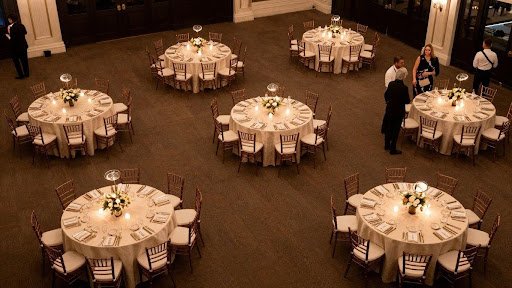
Once you have your venue map, it’s time to figure out the tables. What kind of tables will you use – round, rectangular, or a mix? Each has its own advantages for conversation and space. Then, consider how many people can comfortably sit at each table. This isn’t just about cramming people in; it’s about allowing enough elbow room and space for servers to move around. The placement of these tables is key to the overall flow of your event.
Allocating Space For Key Areas
Beyond just tables and chairs, your event layout needs to account for other important zones. Where will the dance floor be? Is there a designated area for a bar or buffet? What about space for registration, a photo booth, or any entertainment? Properly allocating space for these key areas prevents bottlenecks and ensures guests can move freely and enjoy all aspects of your event. A well-designed layout considers the entire guest experience, not just where they’ll be eating. This thoughtful approach to your event layout makes a big difference.
Finalizing And Implementing Your Seating Chart
Preparing For Last-Minute Adjustments
Even with the best planning, things change. A guest might suddenly bring a plus-one, or someone might have to cancel last minute. It’s smart to build some wiggle room into your seating chart. Think about leaving a few empty spots at tables that are already well-placed. This makes it easier to shift people around without a major headache. The goal is to have a flexible seating plan that can handle these unexpected shifts.
Communicating Seating Clearly
Once the seating chart is set, guests need to know where to go. A clear display at the entrance works well for larger events. You can use a stylish board or even a mirror with nice writing. For smaller gatherings, individual escort cards work too. Make sure the names and table numbers are easy to read. This helps everyone find their spot quickly and avoids confusion.
Embracing Flexibility In Your Plan
Remember, the seating chart is a guide, not a rigid rulebook. It’s important to stay calm if changes are needed. Most guests won’t even notice minor adjustments. The main thing is that everyone feels welcome and has a good time. A well-thought-out seating plan helps, but being adaptable is key to a truly stress-free event. This final step in creating your seating chart is all about readiness.
The seating chart is a tool to help your event run smoothly, not a source of stress. Keep it simple and adaptable.
Putting It All Together
So, when it comes down to it, creating a seating plan might seem like a big task, and honestly, it can be. But it doesn’t have to be the part of event planning that keeps you up at night. By using the right tools, thinking about your guests’ needs, and maybe even mixing up personalities at tables, you can build a layout that just works. It helps everyone feel more comfortable, knowing where they’re supposed to be. In the end, a good seating plan is just another way to make sure your event runs smoothly and everyone has a good time.