
Why More Shoppers Are Turning to Reusable Sanitary Pads for Sustainable Period Care

What Are Reusable Cloth Pads?
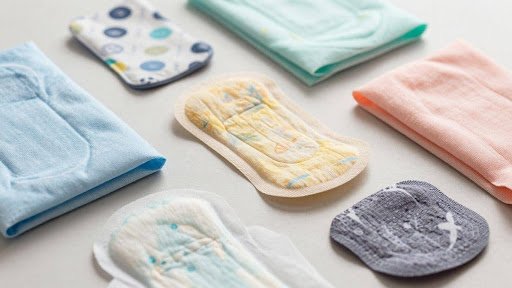
Reusable cloth pads are washable menstrual products made from fabric. They function much like disposable pads but are designed for repeated use. Instead of discarding them after each cycle, users simply wash and reuse them, offering a sustainable alternative to single-use options. These pads have evolved significantly, moving beyond older, bulkier designs to become more comfortable and discreet.
They offer a practical and eco-friendly way to manage menstruation. Many people are drawn to reusable pads because they reduce waste and can be gentler on the skin. The concept is straightforward: use, wash, and reuse, making them a staple in sustainable period care.
Key Components of Reusable Pads
Reusable pads typically consist of several layers, each serving a specific purpose. The top layer, which contacts the skin, is often made from soft, breathable materials like cotton or bamboo. This layer is designed for comfort and to wick moisture away.
Beneath the top layer lies the absorbent core, usually made of cotton flannel, microfiber, or bamboo fleece, which soaks up menstrual fluid. The bottom layer is a waterproof or water-resistant backing, often PUL (polyurethane laminate) or a similar material, to prevent leaks and protect clothing. Many pads also feature ‘wings’ with snaps that secure the pad around underwear.
Variety in Styles and Absorbency
Reusable period pads come in a wide array of styles, shapes, and absorbency levels to suit different needs and preferences. You can find pads shaped like traditional disposables, as well as cross-shaped or hourglass designs. Absorbency ranges from light flow liners to heavy overnight pads, often indicated by the number of absorbent layers or specific materials used.
Some pads are constructed with a top-stitched and turned method, which can add a bit more bulk. Others use a layered, serged approach where the absorbent core is separate from the waterproof liner, potentially offering a slimmer profile. This variety means shoppers can find reusable pads that fit their body, flow, and comfort level, making the transition to sustainable period care more accessible.
The Growing Appeal of Sustainable Period Care
Environmental Benefits of Reusable Pads
More shoppers are looking at the bigger picture when it comes to their period products. Disposable pads and tampons create a lot of waste. Think about it: each person uses thousands of these over their lifetime. They end up in landfills, taking hundreds of years to break down, or worse, polluting our oceans and soil. Reusable pads offer a clear alternative. By choosing them, consumers actively reduce their personal contribution to this massive waste stream. This shift towards sustainable period care isn’t just a trend; it’s a conscious decision to protect the planet.
This move towards reusable options is a direct response to growing environmental awareness. People are seeing the impact of single-use plastics and are looking for ways to lessen their footprint in all areas of life, including menstrual hygiene. The long-term environmental benefits of reusable pads are significant. They drastically cut down on manufacturing waste and the resources needed to produce disposable items constantly. It’s a simple switch with a powerful environmental payoff.
Choosing reusable pads means choosing a healthier planet. It’s about making informed decisions that align with a desire for a more sustainable future. The environmental benefits are a major draw for many, pushing them to explore alternatives like cloth pads and menstrual cups. This growing demand signals a real change in consumer priorities.
Reduced Exposure to Chemicals
Beyond the environmental impact, many are turning to reusable pads for health reasons. Disposable period products often contain chemicals like dioxins, fragrances, and absorbent gels. These can be irritating for sensitive skin and raise concerns about long-term exposure. Reusable pads, typically made from natural fabrics like cotton or bamboo, avoid these added chemicals.
This focus on natural materials means a gentler experience for the body. Shoppers are becoming more aware of what they’re putting in contact with their skin for extended periods. The desire to minimize exposure to potentially harmful substances is a strong motivator for adopting sustainable period care. It’s about opting for a cleaner, more natural approach to managing menstruation.
Many people find that switching to reusable pads leads to less irritation and discomfort. This personal health benefit is just as important as the environmental advantages for many consumers.
Long-Term Cost Savings
While the initial investment in reusable pads might seem higher than a single box of disposables, the long-term financial benefits are substantial. A set of reusable pads can last for years with proper care. This means a significant reduction in recurring monthly expenses associated with buying disposable products.
Over the lifespan of reusable pads, the savings can add up to hundreds of dollars. This makes sustainable period care a financially smart choice for many. It’s an investment that pays for itself many times over, offering both economic and environmental advantages. The upfront cost is a hurdle for some, but the ongoing savings are undeniable.
| Product Type | Initial Cost (Approx.) | Lifespan (Approx.) | Long-Term Savings (Est.) |
| Disposable Pads/Tampons | $5-$10/month | 1 cycle | $0 |
| Reusable Pads | $30-$60 (set) | 3-5 years | $300+ |
| Menstrual Cup | $25-$40 | 5-10 years | $500+ |
Making the Switch to Reusable Period Pads
Addressing Common Concerns
Many people hesitate to switch to reusable period pads due to common worries. One frequent concern is about hygiene. However, reusable pads are designed to be washed thoroughly, and with proper care, they are just as hygienic as disposable options. Another worry might be about leaks, but modern reusable pads feature effective leak-proof backing and absorbent layers. The initial learning curve is often less daunting than anticipated.
Some individuals express apprehension about the perceived messiness or the washing process. It’s important to remember that rinsing reusable pads immediately after use, followed by a regular wash cycle, prevents staining and keeps them fresh. Many users find the process simpler than expected, especially when compared to the ongoing purchase and disposal of single-use products. The idea of carrying used pads until laundry day can also seem off-putting, but a small wet bag or pouch makes this discreet and manageable.
The transition to reusable period products is a journey, not an overnight change. It’s okay to start small and gradually incorporate them into your routine. Many find that once they try them, the initial concerns fade away, replaced by a sense of satisfaction and control over their period care choices.
Ease of Use and Comfort
Reusable period pads are surprisingly easy to use and offer a high level of comfort. They function much like disposable pads, with wings that snap around underwear to keep them securely in place. The soft fabric layers, often made from cotton or bamboo, feel gentle against the skin, unlike the plastic components found in many disposable pads. This can lead to less irritation and a more comfortable period experience overall.
Many users report that reusable pads feel less noticeable than disposable ones once they get used to them. The breathability of the natural fabrics can also make a significant difference, reducing that stuffy feeling sometimes associated with disposable products. Finding the right size and absorbency for your flow is key to maximizing comfort and confidence throughout your cycle.
Breaking Old Habits
Changing ingrained habits, especially those related to something as personal as menstruation, can be challenging. For decades, disposable pads and tampons have been the norm, making the idea of reusable alternatives seem foreign or even a bit strange. It takes a conscious effort to move away from what’s familiar and embrace something new, even when the benefits are clear.
Education and exposure play a big role in overcoming these habitual barriers. Learning about the environmental impact of disposables and the long-term cost savings of reusables can be powerful motivators. Trying out a few reusable pads, perhaps starting with a small starter kit, can help demystify the process and build confidence. The shift to reusable period care is a gradual process for many, driven by curiosity and a desire for more sustainable options.
Caring for Your Reusable Pads
Essential Washing and Drying Techniques
Taking care of your reusable pads is straightforward once you get the hang of it. The key is consistent, gentle care to keep them fresh and functional. Proper maintenance is simple but crucial for their longevity.
Start by rinsing used pads in cold water as soon as possible. This helps prevent stains from setting in. You can also run them through a pre-rinse cycle in your washing machine. Afterward, wash them in warm water with a mild detergent. A regular amount of detergent is usually sufficient; there’s no need to overdo it.
When it comes to drying, air drying is often the best option. If you use a dryer, opt for a low heat setting. Avoid using bleach or fabric softeners, as these can break down the fibers and reduce the pad’s absorbency over time. Following these washing and drying techniques will help your reusable pads last for years.
Maintaining Absorbency and Longevity
To ensure your reusable pads remain absorbent and last as long as possible, a few practices make a big difference. Think of it like caring for any other fabric item you want to keep in good condition.
Rotate through your stash of pads during your cycle. This allows each pad to dry completely between uses and distributes wear evenly. High-quality reusable pads can last anywhere from 2 to 5 years, and some may even go up to 10 years with diligent care. You’ll know it’s time to replace a pad when the fabric starts to thin or the edges fray.
Avoid high heat when drying, as this can damage the materials and affect their performance. Also, steer clear of harsh chemicals like bleach, which can degrade the fabric. By following these simple steps, you can maximize the lifespan and effectiveness of your reusable period care products.
Proper Storage Between Uses
Storing your reusable pads correctly between uses is just as important as washing them. It keeps them clean, hygienic, and ready for your next cycle.
Once your pads are washed and thoroughly dried, store them in a clean, dry place. A dedicated drawer or a breathable fabric bag works well. This prevents them from picking up dust or moisture.
If you’re out and about, a small wet bag is your best friend. Many come with separate compartments for clean and used pads, making changes discreet and easy. This simple habit ensures your reusable pads are always protected and ready when you need them.
Beyond Sustainability: Additional Benefits
Gentler on Sensitive Skin
Many people find that reusable cloth pads are a welcome change from disposable options, especially those with sensitive skin. Disposable pads often contain fragrances, dyes, and adhesives that can cause irritation or allergic reactions. Reusable pads, typically made from natural fibers like cotton or bamboo, are free from these harsh chemicals. This makes them a much kinder choice for your body, reducing the risk of discomfort and rashes. The breathability of natural fabrics also plays a role, helping to keep the area drier and more comfortable throughout the day.
Switching to reusable pads means you’re opting for materials that are less likely to provoke a reaction. Think about it: you’re choosing soft, natural fabrics over plastics and synthetic materials that can trap moisture and heat. This simple change can make a significant difference in how your skin feels during your period. It’s a move towards a more natural and less irritating form of period care, benefiting those who have struggled with sensitivity from conventional products.
Ultimately, the comfort derived from using gentler materials is a major draw for many. It’s not just about being eco-friendly; it’s about treating your body with more care. The reduction in potential irritants means fewer worries about discomfort and more focus on feeling good, even during menstruation. This focus on skin health is a significant, often overlooked, benefit of reusable period products.
Versatility for Different Needs
Reusable pads aren’t a one-size-fits-all solution in terms of design; they actually offer a surprising amount of versatility. You can find them in various shapes and sizes, from slim liners for light days to heavily absorbent pads for overnight use or heavier flows. Many brands also offer different closure types, like snaps or velcro, to ensure a secure fit. This variety means you can build a personal collection that perfectly matches your cycle’s ebb and flow.
Beyond just absorbency levels, reusable pads come in different materials too. Some are made with a stay-dry layer to wick moisture away, while others are all-cotton for maximum breathability. This allows users to choose based on their personal preferences and comfort needs. Whether you’re active, have a very heavy flow, or simply prefer a specific feel, there’s likely a reusable pad out there for you. This adaptability makes the transition smoother and the ongoing use more satisfying.
The ability to customize your period care based on daily needs is a significant advantage. It moves away from the generic approach of disposables and allows for a more personalized and effective experience.
Empowerment Through Choice
Choosing reusable period products is more than just a practical decision; it’s an act of empowerment. It signifies a conscious choice to align your personal care habits with your values, whether those are environmental, financial, or health-related. Taking control of your period care by selecting sustainable options can be incredibly liberating. It means you’re not passively accepting what’s available but actively seeking out solutions that work better for you and the planet.
This sense of agency extends to breaking free from the cycle of disposable products and the associated costs and waste. By investing in reusable pads, individuals are making a statement about their commitment to a more sustainable future. It’s about feeling good about the choices you make every month, knowing you’re contributing to a positive change. The empowerment comes from knowing you have options and that you can make a difference with your purchasing decisions.
Making the switch to reusable pads is a powerful step towards greater self-care and planetary stewardship. It’s about recognizing your own needs and the impact of your choices. This conscious decision-making process fosters a deeper connection to one’s body and the environment, leading to a more fulfilling and responsible approach to menstruation.
The Future of Period Products
Market Trends and Consumer Demand
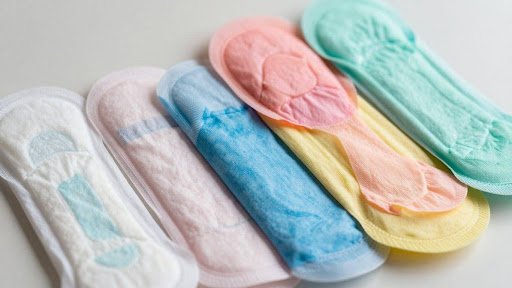
The landscape of period care is shifting. More people are looking for options that are kinder to their bodies and the planet. This isn’t just a small trend; it’s a significant change in how we think about menstruation. Younger shoppers, especially, are driving this movement. They’re more aware of environmental issues and what goes into their bodies. They want products that align with their values.
This growing demand means companies are paying attention. We’re seeing more brands pop up, offering a wider range of sustainable choices. From menstrual cups to period underwear and reusable pads, the variety is increasing. This competition is good for consumers, leading to better products and more accessible prices. The future of period products is definitely greener.
It’s clear that sustainable period care is moving from a niche idea to the mainstream. As more people learn about the benefits, both personal and environmental, the shift will only continue. It’s about making informed choices that feel good, both now and for the long run.
Looking Ahead: The Future of Period Care
As more people become aware of the environmental impact and potential health concerns linked to disposable period products, the shift towards reusable sanitary pads is likely to continue. These cloth options offer a way to manage periods more sustainably, reduce waste, and often save money in the long run. While it might take some getting used to, the benefits for both personal well-being and the planet are clear. It’s a change that reflects a growing desire for more conscious consumer choices in everyday life.