

Key Takeaways
- Neck pain is common and can stem from poor posture, muscle strain, trauma, degenerative changes, or stress.
- “Tech neck” from prolonged device use places extra strain on cervical muscles and spinal alignment.
- Repetitive activities and sudden injuries, such as whiplash, can exacerbate neck discomfort and limit mobility.
- Degenerative disc disease and age-related changes contribute to chronic neck pain, often worsened by lifestyle factors.
- Stress and tension often manifest as tightness in the neck and shoulders, which can sometimes cause headaches.
- Chiropractic care offers non-invasive relief through spinal adjustments, soft tissue therapies, posture correction, and personalized exercise programs.
- Preventive measures include maintaining proper posture, ergonomic work setups, regular stretching, stress management, and supportive sleep habits.
- Combining lifestyle modifications with chiropractic care can reduce pain, improve mobility, and prevent future neck issues.
Neck pain is a frequent complaint that affects people from all walks of life. Whether it results from modern technology use or age-related wear and tear, understanding the root causes and available treatments is essential for maintaining comfort and function. For some, specialized approaches such as prenatal care may also help support overall spinal health during specific life stages. Exploring both prevention and treatment options is key to reducing discomfort and promoting a healthier lifestyle.
Neck discomfort can arise from a variety of causes, and knowing these factors is vital for anyone seeking to prevent or relieve their pain. Read on to discover the most common culprits behind neck pain and how chiropractic care can provide safe, non-invasive relief.
Poor Posture
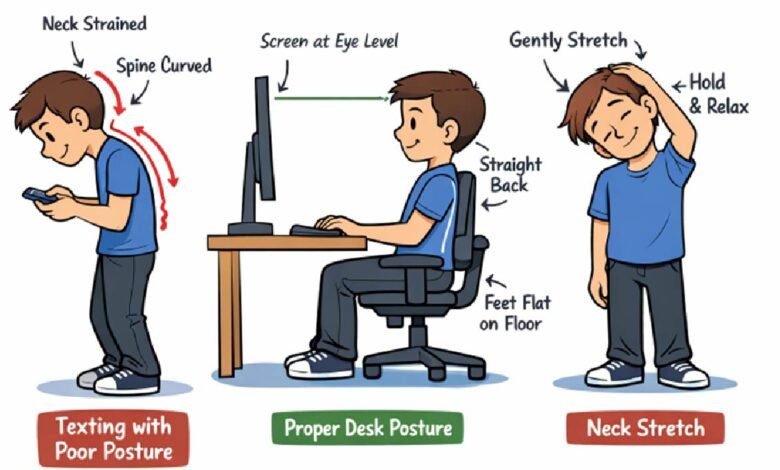
The widespread use of computers, tablets, and smartphones can lead to “tech neck,” a condition characterized by forward head posture. This unnatural position places additional pressure on the cervical spine and its muscles, leading to stiffness and persistent aches over time. Even those with otherwise healthy habits often find themselves slouching, which can set the stage for ongoing neck issues.
Maintaining an ergonomic workspace can positively influence posture and comfort, but routine awareness and occasional stretching are equally important in curbing the effects of poor posture on neck health.
When left unaddressed, poor posture can trigger compensatory imbalances throughout the entire spine. Over time, this cascade of changes might even impact areas as far as the lower back and shoulders, leading to secondary discomfort and movement limitations. Paying attention to daily body mechanics and posture, including how you sit, stand, and even sleep, is crucial for preventing further neck problems. Simple practices such as adjusting monitor height, keeping screens at eye level, and using supportive pillows may provide substantial long-term relief.
Muscle Strain and Overuse
Daily activities such as reading in bed, holding a phone between your ear and shoulder, or driving for long periods can overwork neck muscles and lead to strain. Discomfort often develops when the neck is held in a fixed or awkward position during repetitive tasks. These habits, though seemingly harmless, can accumulate tension that results in both acute and chronic pain.
Repetitive strain not only affects muscle function but can also irritate nearby nerves. Over time, this may manifest as spasms or a dull, constant ache, making it difficult to enjoy simple activities. Preventing neck strain involves consciously changing daily routines, using hands-free devices, alternating sitting and standing, and engaging in neck-specific stretches, all of which can help reduce muscular overload.
Whiplash and Trauma Injuries
Sudden impacts, often from car accidents or contact sports, can cause a rapid forward-and-back motion known as whiplash. This sudden jerk strains the neck’s muscles, ligaments, and vertebrae. Whiplash typically presents with pain, stiffness, and reduced range of motion, and may even produce headaches or dizziness. Recognizing the seriousness of trauma-related neck injuries is crucial since inadequate treatment can lead to long-term repercussions.
It is important to note that symptoms of whiplash or other traumatic neck injuries may not appear immediately. Delayed onset of pain or discomfort can occur hours or days after the incident, making it essential to seek medical evaluation even if you feel fine initially. Early assessment not only promotes better recovery but also helps prevent complications such as chronic headaches, neck instability, and ongoing pain syndromes.
Degenerative Disc Disease
The aging process is another significant contributor to neck pain. Over time, the discs between vertebrae can lose hydration and flexibility, leading to degenerative disc disease. As disc height decreases, nerve roots may become compressed, leading to sharp or radiating neck pain. This age-related change is common and is a leading cause of discomfort in older adults.
While degenerative disc disease is often associated with aging, genetic factors, and lifestyle habits can accelerate wear and tear. Smoking, poor nutrition, and sedentary behavior may increase the risk of early degeneration. Adopting healthy habits, including staying active, maintaining a healthy weight, and avoiding tobacco, can play a significant role in supporting spinal health at any age.
Stress and Tension
Emotional stress often manifests physically, especially as tension in the neck and shoulders. Stress and anxiety can cause muscles to tighten unconsciously, leading to discomfort and even tension headaches. Learning to recognize these patterns can help individuals take proactive steps to relax and ease muscle tightness.
Simple daily rituals, such as practicing mindfulness, guided visualization, or progressive muscle relaxation, can be highly effective at reducing the impact of stress on the body. Regular cardiovascular exercise is another excellent way to manage tension and promote overall well-being. Remember, mental health and physical health are deeply connected; tools that support relaxation and emotional balance can have a profound effect on your neck and spinal comfort.
How Chiropractic Care Can Help
Chiropractic care offers a non-invasive, holistic approach to managing neck pain. The primary focus is on spinal adjustments to restore proper alignment of the cervical vertebrae. By correcting misalignments, chiropractors can alleviate nerve compression, reduce muscle tension, and improve neck mobility. Personalized exercise programs designed by chiropractors can also strengthen supportive muscles, improve posture, and reduce recurrence. During treatment, chiropractors may use manual adjustments, soft tissue therapies, and home exercise recommendations to maximize results.
Chiropractic care is also increasingly recognized for its patient-focused, personalized approach. Practitioners often take the time to assess individual lifestyles, daily habits, and health goals before tailoring a care plan. This could include ergonomic advice, therapeutic modalities such as ultrasound or electrical stimulation, and nutritional support. Such a comprehensive approach ensures that patients don’t just experience temporary relief but gain tools and strategies to support ongoing spinal health. Regular visits, combined with at-home exercises and self-care strategies, may significantly reduce the frequency and intensity of neck pain episodes, enabling individuals to live more comfortably and actively.
Preventive Measures
- Practice proper posture, especially during extended sitting or computer use.
- Take frequent breaks to stretch neck and shoulder muscles when working or studying.
- Invest in ergonomic chairs and adjustable workstations to reduce postural strain.
- Manage stress with mindfulness, deep breathing, or regular physical activity.
- Assess your sleep environment; a supportive pillow and mattress can contribute significantly to spinal alignment and minimize morning neck stiffness.
- Stay hydrated and maintain a balanced diet rich in anti-inflammatory foods to support disc and joint health.
- Evaluate your everyday habits, such as carrying heavy bags, consistently cradling a phone, or always favoring one side when sleeping, so you can make small, meaningful adjustments.
Final Thoughts
Neck pain, whether from poor posture, overuse, injury, degeneration, or stress, is a common yet manageable complaint. By understanding the underlying causes and incorporating chiropractic techniques, individuals can achieve meaningful relief and help prevent future flare-ups. If neck discomfort disrupts your daily life or persists despite self-care, seeking professional advice can provide an effective path toward recovery and lasting well-being.
No matter the cause of your neck pain, knowledge and consistency are your most effective tools. Combining lifestyle changes, regular exercise, and professional chiropractic support can alleviate pain and restore function. Stay proactive about your spinal health and remember that feeling better often begins with small, repeatable steps that build toward stronger, more resilient neck function over time.