

Key Takeaways
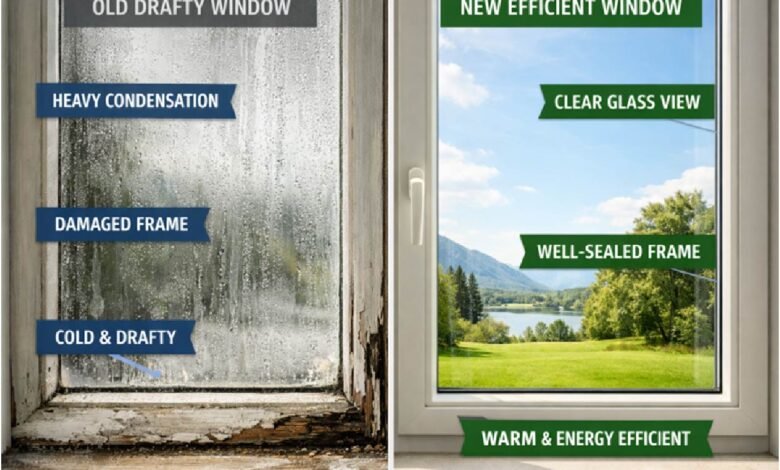
- Drafts, condensation, and difficulty operating windows are clear signs your windows may require replacement.
- New windows enhance a home’s energy efficiency, comfort, and resale value.
- Regular window maintenance helps, but every window system will eventually need to be replaced.
Table of Contents
- Drafts and Air Leaks
- Difficulty Operating Windows
- Visible Damage
- Condensation Between Panes
- Increased Energy Bills
- Excessive Outside Noise
- Fading Furnishings
- Age of Windows
- Conclusion
Windows play a critical role in your home’s comfort, energy efficiency, and appearance. Knowing when to consider window replacement is essential to maintaining these qualities. Outdated or damaged windows can lead to issues such as rising energy bills, discomfort from drafts, and faded furnishings, whereas modern windows offer effective insulation and security. Identifying the need for window replacement early can help you avoid more significant issues down the road. Homeowners often overlook window performance until the problems become obvious. However, addressing window issues promptly can improve indoor comfort, reduce outside noise, and increase overall property value. Understanding the main signs of window failure can save both time and money in the long run by encouraging proactive decision-making.
Drafts and Air Leaks
Drafts are one of the most common indicators of failing windows. If you notice air movement near the window frames, the weatherstripping, caulking, or sealing has likely deteriorated. These air leaks force your heating and cooling systems to work overtime, leading to uneven temperatures and discomfort in your living spaces. Addressing drafts as soon as they are detected can protect both your wallet and your comfort.
Difficulty Operating Windows
Windows that are challenging to open, close, or lock indicate more than an inconvenience. Over time, wooden frames can swell with humidity, metal components may rust, or internal mechanisms could wear out. Windows that do not function smoothly not only lower your home’s security but can also pose an emergency hazard; a window that will not open in case of fire presents a significant risk.
Visible Damage
Cracks, chips in the glass, warping, or decaying window frames contribute to poor insulation and create points of entry for moisture or pests. Water infiltration from decayed seals or frames can lead to mold growth and other structural problems. In addition, visibly damaged windows detract from curb appeal and reduce your property’s value. Home improvement specialists emphasize that timely repairs or replacements can prevent associated costs from escalating.
Condensation Between Panes
Modern windows often use double- or triple-pane glass filled with insulating gas. When condensation, fogging, or moisture appears between the panes, this signals that the seal is compromised and the insulating gas has likely escaped. As a result, the window’s energy efficiency drops dramatically. This problem cannot typically be fixed without replacing the window, since the compromised seal will allow ongoing moisture issues and energy loss.
Increased Energy Bills
Surging utility bills, especially during extreme seasons, are often traced to inefficient windows. Older models or windows with leaking seals force your HVAC system to run longer. The U.S. Department of Energy reports that heat gain and loss through windows account for 25 to 30 percent of residential energy use for heating and cooling. Upgrading to modern, energy-efficient windows usually results in significant savings and contributes to a more sustainable household.
Excessive Outside Noise
If your home suddenly feels much noisier, especially from street traffic or neighbors, it may mean your existing windows have lost their sound-insulating properties. Newer windows are designed to minimize outdoor noise and bring greater peace and calm to your living spaces by using better materials and multi-pane construction. For urban environments or homes near busy streets, modern window options can resolve ongoing noise challenges remarkably well.
Fading Furnishings
Discoloration or fading of furniture, carpets, and artwork is a subtle yet significant clue that your windows are not adequately protecting against ultraviolet rays. UV radiation passes through outdated glazing, harming your interiors over time. Modern replacement windows with UV-blocking coatings help preserve your home’s appearance and extend the life of your belongings.
Age of Windows
Most windows have an expected lifespan of 15 to 20 years if properly cared for. As windows age, their structural and insulating qualities naturally diminish. If your home has windows approaching or exceeding this age range, it is often more cost-effective and beneficial to invest in replacement rather than continue to repair recurring issues. Upgrading ensures you are taking advantage of improvements in window technology and can boost your home’s value for years to come. Recognizing when to replace your windows protects your investment and ensures long-lasting comfort, efficiency, and security for your household. Proactive monitoring and timely action make all the difference in maintaining or improving your home’s performance.
Conclusion
Recognizing the signs of failing windows is essential to protecting your home’s comfort, efficiency, and long-term value. Issues like drafts, condensation, rising energy bills, and operational difficulties are more than minor inconveniences, as they signal that your windows may no longer be performing as they should. While regular maintenance can extend their lifespan, no window lasts forever. Investing in modern, energy-efficient replacements not only resolves these problems but also enhances insulation, reduces noise, and improves overall aesthetics. By acting early and staying attentive to these warning signs, homeowners can avoid costly repairs and ensure a more comfortable, secure, and efficient living environment for years to come.