

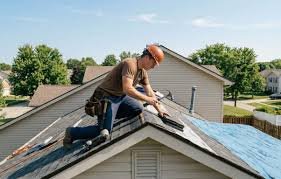
Metal roofing repairs on older homes are often more complex because years of weather exposure can wear away protective coatings, leaving panels vulnerable to faster deterioration. Addressing these issues effectively not only improves the roof’s resistance to weather damage but also helps maintain the home’s architectural integrity. Here are a few common challenges and solutions associated with repairing metal roofing on older homes:
Deteriorated Flashing
Metal roof flashing in older homes deteriorates over time due to prolonged exposure to changing weather conditions, such as moisture, rain, and condensation. These conditions accelerate oxidation, causing flashing edges to corrode. Sealants used at flashing joints, especially in valleys and around roof penetrations, also break down.
Thermal cycling and extended UV exposure further contribute to brittleness and cracking in flashing materials. When flashing deteriorates, it often becomes a primary source of leaks. Water bypasses the metal panels and enters vulnerable areas such as valleys, skylights, and other roof penetrations; this increases the complexity of repairs. Moisture intrusion into the sheathing and fascia beneath the metal roofing accelerates fastener corrosion and wood rot, weakening the structural components that support the roof panels.
Repairing this issue typically involves full flashing replacement around features such as skylights, chimneys, and valleys. Using corrosion-resistant, compatible materials helps limit future oxidation and rust. Contractors also apply UV-stable, metal-compatible sealants along fastener lines, seams, and penetrations. This helps improve waterproofing and restore flashing performance. Re-sealing these joints strengthens water resistance and supports long-term roof durability.
Thermal Expansion Mismatch
Repeated expansion and contraction of metal roofing panels due to temperature fluctuations reduces stability by loosening fasteners and disrupting panel alignment. As the metal moves, overlapping components such as ridge caps, trim, and flashing shift out of place. This misalignment weakens the roof’s ability to form a continuous barrier against water intrusion. In older roofs, inconsistent movement also causes uneven wear of protective coatings, which increases the need for repair.
Thermal movement in aging metal roofs often leads to panel buckling, especially near seams and terminations. Distortion in interlocking systems and seam alignment adds complexity to repairs and limits how well components fit together. To address this issue, roofing professionals can install sliding clips; they allow panels to move in a controlled manner without stressing fasteners. Other effective solutions for addressing thermal expansion in metal roofs on older homes include:
- Applying reflective coatings
- Optimizing panel lengths
- Incorporating flexible high-elongation sealants
- Upgrading or retrofitting insulation
Limited Attic Ventilation
Debris buildup in ridge and gable vents in older homes often restricts attic airflow, reducing overall ventilation. Leaves, dust, and nesting materials block these openings over time, especially in homes with aging metal roofing systems. Poor ventilation traps heat and moisture in the attic, which accelerates the deterioration of underlayment and other roofing components. As the substrate weakens, repairs to flashing and metal panels become more difficult and less predictable.
In metal roofing systems, inadequate airflow also increases the risk of condensation forming beneath the panels. This trapped moisture contributes to corrosion on the underside of the metal; it can also damage fasteners and structural supports. These conditions compromise both the roof assembly and the attic structure. Roofing professionals address this issue by adding proper ventilation solutions. Adding a modern, breathable underlayment also improves moisture control. It also allows vapor to escape without compromising water resistance.
Hire Metal Roofing Repair Services
In older homes, metal roofs often need regular maintenance to address issues such as corrosion beneath panels, loose or backing-out fasteners, and worn flashing. These conditions affect how well the roof manages temperature shifts and moisture exposure, and they can contribute to problems like mold or algae growth in damp areas. Working with an experienced contractor helps make sure these repairs are handled correctly and that the roof system remains functional. Find a reliable contractor and schedule repair services for your metal roof.