

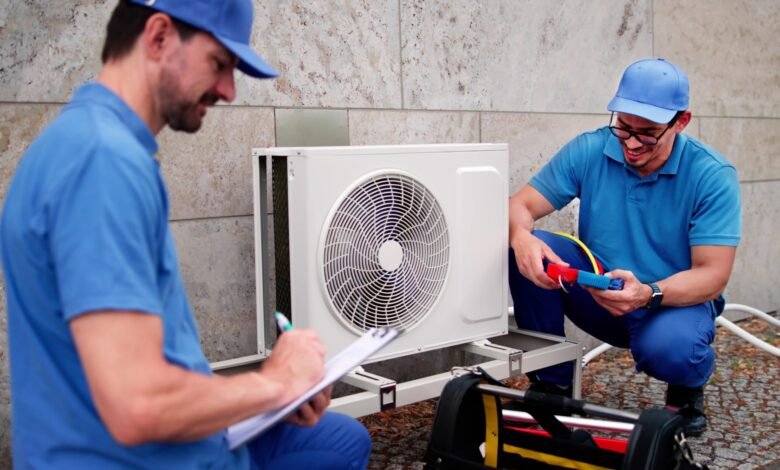
You pick up the phone to call an HVAC technician and realize that you have no idea what they will say when they answer. Sound familiar? That’s why we’re here.
Below are some common terms that you should know when working with your HVAC system. That way you won’t feel so confused when it’s time to make that phone call and save yourself money, time and headaches.
The Definition of HVAC
HVAC stands for heating, ventilation and air conditioning. Consequently, whenever someone refers to your HVAC system, they are talking about all of the appliances that heat and cool your home. This can include your furnace, air conditioner, ductwork and thermostat.
Thermostat
Your thermostat controls your HVAC system. Therefore, it is the device in your home that you most interact with. While thermostats used to simply be metal boxes connected to your HVAC system. Now there are programmable thermostats and smart thermostats.
BTU
BTU stands for British Thermal Unit. It is a measure of how powerful your HVAC system is. The higher the BTU, the more powerful the system is. For instance, a small window air conditioner may be only 5,000 BTUs. While a whole home HVAC system can be 60,000 BTUs or more.
SEER Rating
SEER stands for Seasonal Energy Efficiency Ratio. Essentially it is the energy-efficiency grading for your air conditioner. Therefore the higher the SEER rating is, the less electricity your HVAC system will use.
Hence, you want your SEER rating to be as high as possible. Today, SEER ratings can range from 13 to 25 with most states requiring 14 SEER as minimum for new HVAC system installations.
Heat Pump
Heat pumps function very differently than your furnace. Thus it can be helpful to know how they operate. Instead of generating heat, they transfer heat from one area to another. In the winter, they pull heat from outdoor air and push it inside your home. In the summer time, they reverse that cycle and remove heat from your home. Therefore heat pumps can heat your home in the winter time and cool your home in the summer time.
Compressor
Your compressor is arguably the most important part of your air conditioner. Thus it’s often referred to as the heart of your AC system. The compressor pumps refrigerant through your air conditioning system, and creates pressure.
Without a working compressor, your air conditioner will not work. Your compressor is usually located in the outdoor portion of your air conditioner.
Refrigerant
This substance is what absorbs heat from inside your home and dumps it outside. Therefore, without refrigerant your air conditioner will not cool your home. You may have heard of refrigerants such as R-22 and R-410A.
These are different brands of refrigerant. However, due to new environmental rules, R-22 refrigerant is being phased out and most HVAC equipment now uses R-410A.
Air Handler
Your air handler is the indoor part of your HVAC system that moves air throughout your home. Therefore, inside your air handler is the blower motor and evaporator coil. After your air handler treats the air, it will be distributed throughout your home via your duct work and vents. Due to improper insulation or leaks, ducts can waste 25% to 30% of your energy use.
Evaporator Coil
Don’t worry, we will get to the condenser coil in a moment. Your evaporator coil goes inside your home and absorbs heat from the air in your home. As a result, this makes the air in your home feel cooler.
Your condenser coil is located outside your home. The condenser coil dumps the heat that your evaporator coil collected into the outside air. Therefore you should keep these coils clean to allow your HVAC system to run efficiently.
Ton
In the HVAC world, a ton does not refer to weight. Instead, a ton is a measure of how well your system can cool your home. One ton is equal to 12,000 BTUs per hour. Therefore a 3 ton HVAC system can eliminate 36,000 BTUs per hour of heat from your home.
Air Filter
Your air filter keeps the particles in your air from entering and fouling up your HVAC system. Therefore they help keep your equipment running smoothly and ensure you’re not breathing dirty air. Filters are rated by their MERV ratings. MERV stands for Minimum Efficiency Reporting Value and ranges from 1-16. The higher the MERV number, the finer of dust the filter can trap. However, some HVAC systems cannot function properly with a high MERV filter.
Zone Controlled
Would you like to be able to sleep in a cool room while your living room is heated? Zone controlled HVAC systems allow you to do just that. By creating zones in your home, you can save money by not heating or cooling unoccupied spaces. A zone controlled system uses multiple thermostats and valves in your duct work.
Humidity
Humidity is the amount of moisture in the air. Because your HVAC system can affect the humidity levels in your home you may need to add a humidifier or dehumidifier to your system.
Having too little humidity can cause dry skin and irritated airways. Too much humidity causes excess moisture in the air which can lead to mold. The ideal humidity level in your home should be between 30%-50%.
Filter Tuneup
A tune up includes checking all these items and cleaning your system. Tune ups should be done annually to ensure you’re not going to have any issues and can prolong the life of your equipment by years.
Energy Efficiency
Lots of the terms listed here affect your energy efficiency. By knowing these terms you can save yourself money. Look for equipment that is Energy Star certified. Meaning that they meet the energy guidelines set by the federal government.
Therefore, you know that you’re going to be using less energy and paying less on your utility bills. Other ways to boost your energy efficiency is by making sure you are properly insulated and have sealed ductwork.
Call the Professionals
You should now have a basic understanding of some of the common terms used when working with your HVAC system. Therefore, when it’s time to call a professional you’ll understand what they are talking about. NHS noted that it will allow you to make the best decisions for your home regarding repairs, upgrades and maintenance. Don’t be afraid to ask questions if something that we mentioned above doesn’t make sense. Your comfort depends on it.
FAQ’s
Do I really need to know all of these HVAC terms before speaking to a technician?
While you don’t need a degree in HVAC technology, there are some terms that every homeowner should know. It can make explaining your concerns or issues easier while asking the right questions. Plus you won’t feel as intimidated by your tech which can prevent you from being oversold on repairs or equipment you don’t need. Knowledge is power and can save you time and money.
What is the most important HVAC term a homeowner should know?
We can’t stress this term enough. Thermostat. Everything your technician talks about starts and ends at your thermostat. Most comfort issues we find begin with the thermostat. Whether you have a basic, programmable or smart thermostat, knowing what you have and how it operates can help you work with your system, not against it.
Does my home benefit from a higher BTU or ton rating?
When it comes to your home, bigger isn’t always better. An oversized HVAC system will cycle on and off more frequently than it should. Cycling causes energy loss and can cause hot and cold spots throughout your home. The size of your home matters but so does your home’s layout, insulation values, and even the weather you experience. A properly sized system should run longer and have less frequent cycles which will feel nicer.
What’s the difference between SEER rating and actual energy efficiency?
SEER is an efficiency rating but when we talk about energy efficiency that translates to your monthly power bill. A higher SEER system will utilize less electricity to cool your home resulting in lower monthly bills, quieter operation, and less wear and tear on your equipment.
Why do HVAC technicians love talking about filters?
Filters aren’t just there to keep your air clean. Restrictions caused by a dirty or improper filter can cause reduced airflow. Reduced airflow could cause your equipment to work harder than it should which reduces efficiency. Just because you can buy the highest MERV rated filter doesn’t mean you should. Match your filter to your system and keep your indoor air and equipment happy.
I can fix myself. When should I call my technician?
If your problem involves refrigerant, moving parts, electrical components, weird smells or sounds, or lack of cool/heat that doesn’t improve after changing your air filter it’s time to call a pro. Cleaning, changing your air filter, and regular maintenance is okay to DIY, but we can come standard with mostHVAC issues. Systems can be expensive. Don’t take chances with guessing and potentially cause more damage.