
Integrated Heating and Cooling Solutions for Year-Round Comfort and Energy-Efficient Climate Control

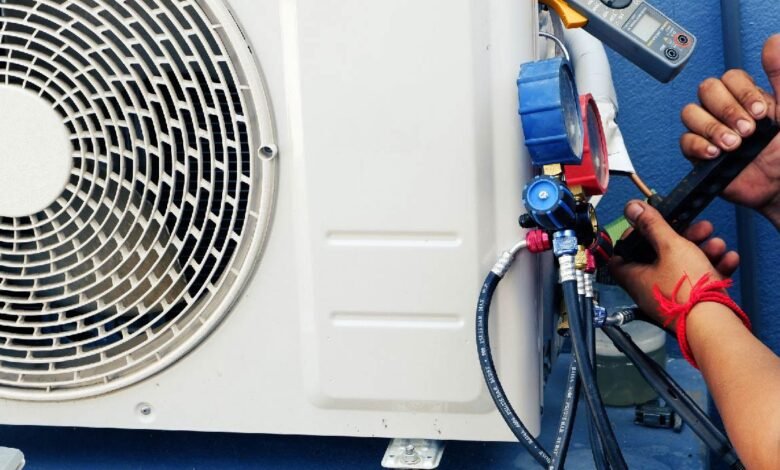
Heating and cooling systems are essential components of modern homes and commercial buildings, providing comfort, maintaining indoor air quality, and ensuring a consistent environment regardless of external weather conditions. Whether facing extreme heat during summer or cold temperatures in winter, a properly designed and maintained system ensures that indoor spaces remain comfortable, safe, and energy-efficient. Investing in a reliable heating and cooling system involves more than selecting equipment; it requires understanding system types, installation processes, maintenance practices, and energy efficiency considerations. By gaining insight into how these systems function and how to manage them effectively, property owners can enhance comfort, reduce energy costs, and extend the lifespan of their equipment while maintaining optimal indoor conditions throughout the year.
Importance of Heating and Cooling Systems
The importance of heating and cooling systems lies in their ability to regulate indoor temperature, humidity, and air quality, creating a comfortable living or working environment. During colder months, heating systems provide warmth that protects occupants from low temperatures, prevents freezing of pipes, and maintains structural integrity by avoiding moisture buildup caused by condensation. In warmer seasons, cooling systems remove excess heat and humidity, improving comfort and preventing issues such as mold growth, poor air quality, and discomfort. A well-functioning heating and cooling system also contributes to energy efficiency by maintaining consistent indoor temperatures without excessive energy consumption. Additionally, modern systems are designed to filter and circulate air, removing dust, allergens, and pollutants, which improves indoor air quality and promotes a healthier environment for occupants. These benefits make heating and cooling systems indispensable in both residential and commercial settings.
Types of Heating Systems
Heating systems come in various forms, each designed to meet different needs, preferences, and building requirements. Furnaces are among the most common heating systems and operate by heating air and distributing it through ducts using a blower, with fuel sources including natural gas, electricity, or oil. Boilers, on the other hand, heat water and distribute it as steam or hot water through radiators or underfloor piping, providing consistent and efficient heat. Heat pumps are versatile systems that can both heat and cool a space by transferring heat between the indoors and outdoors, making them an energy-efficient option for moderate climates. Radiant heating systems, often installed beneath floors, provide even heat distribution and enhanced comfort by warming surfaces rather than circulating air. Each type of heating system has its advantages and limitations, and selecting the right option depends on factors such as climate, budget, building size, and energy efficiency goals.
Types of Cooling Systems
Cooling systems are equally diverse and are designed to maintain comfortable indoor temperatures during warm weather. Central air conditioning systems are widely used in larger homes and buildings, distributing cooled air through ductwork to maintain consistent temperatures throughout the space. Ductless mini-split systems offer flexibility and efficiency, allowing for targeted cooling in specific rooms without the need for extensive ductwork. Window and portable air conditioners provide cost-effective solutions for smaller spaces or temporary cooling needs, while evaporative coolers, also known as swamp coolers, use water evaporation to cool air and are suitable for dry climates. Modern cooling systems often include advanced features such as programmable thermostats, smart controls, and energy-efficient compressors that enhance performance and reduce energy consumption. Understanding the available options helps property owners choose a cooling system that meets their specific needs and ensures optimal comfort during hot weather.
Installation Process for Heating and Cooling Systems
The installation of a heating and cooling system is a complex process that requires careful planning, precise execution, and professional expertise to ensure optimal performance and safety. The process begins with an assessment of the building’s size, layout, insulation, and ventilation requirements to determine the appropriate system type and capacity. Proper sizing is critical, as an undersized system may struggle to maintain temperature, while an oversized system can lead to inefficiency and increased wear. Installation involves setting up the main equipment, including furnaces, air conditioners, heat pumps, or boilers, along with ductwork, piping, and electrical connections. Proper sealing and insulation of ducts and components are essential to prevent energy loss and maintain efficiency. Thermostats and control systems are installed to regulate temperature and allow for user customization. After installation, the system is tested to ensure it operates correctly, efficiently, and safely, providing reliable performance and comfort.
Common Challenges in Heating and Cooling Systems
Heating and cooling systems can encounter various challenges that affect performance, efficiency, and longevity if not addressed promptly. One common issue is improper sizing, which can result in uneven temperatures, increased energy consumption, and excessive wear on components. Poor installation, including inadequate duct sealing or incorrect placement of equipment, can lead to inefficiencies and reduced system effectiveness. Maintenance neglect can cause problems such as clogged filters, dirty coils, or worn-out parts, which compromise performance and air quality. Environmental factors, such as extreme temperatures or high humidity, can place additional strain on systems, requiring proper design and maintenance to ensure reliable operation. Addressing these challenges through regular inspections, proper installation, and timely repairs ensures that the heating and cooling system continues to function effectively and efficiently over time.
Maintenance and Longevity
Regular maintenance is essential for extending the lifespan and maintaining the efficiency of heating and cooling systems. Routine tasks such as replacing or cleaning air filters, inspecting ductwork, and checking refrigerant levels help ensure optimal performance and prevent breakdowns. Professional maintenance services include cleaning coils, lubricating moving parts, inspecting electrical connections, and testing system components to identify potential issues before they become major problems. Seasonal maintenance, performed before the start of heating or cooling seasons, ensures that the system is prepared to handle increased demand. Proper maintenance not only improves efficiency and reduces energy costs but also enhances indoor air quality and extends the lifespan of the equipment, providing long-term value and reliability.
Energy Efficiency and Cost Savings
Energy efficiency is a key consideration when selecting and maintaining heating and cooling systems, as it directly impacts utility costs and environmental sustainability. Modern systems are designed with energy-efficient technologies, such as variable-speed motors, advanced compressors, and smart thermostats, which optimize performance and reduce energy consumption. Proper insulation, sealing, and ventilation further enhance efficiency by minimizing heat loss or gain, allowing the system to operate more effectively. Programmable and smart thermostats enable users to adjust temperature settings based on occupancy and preferences, reducing unnecessary energy use. Investing in energy-efficient equipment and practices not only lowers utility bills but also contributes to a more sustainable and environmentally responsible approach to climate control.
Benefits of Professional Services
Hiring professionals for installation, maintenance, and repair of heating and cooling systems offers significant advantages in terms of safety, performance, and reliability. Certified technicians have the expertise to select the appropriate system, ensure proper installation, and perform maintenance tasks according to industry standards. Professional services reduce the risk of errors, improve system efficiency, and extend the lifespan of equipment. Additionally, professionals can provide valuable advice on system upgrades, energy-saving practices, and troubleshooting, helping property owners make informed decisions and maintain optimal performance. By relying on professional services, homeowners and business owners can ensure that their heating and cooling systems operate safely, efficiently, and effectively.
Modern heating and cooling systems are increasingly designed with environmental sustainability in mind, incorporating features that reduce energy consumption, minimize emissions, and promote responsible resource use. High-efficiency systems, renewable energy options such as geothermal or solar-powered systems, and eco-friendly refrigerants contribute to reducing environmental impact. Proper installation and maintenance ensure that systems operate efficiently, minimizing waste and maximizing performance. By choosing sustainable solutions and maintaining them effectively, property owners can contribute to environmental conservation while enjoying the benefits of a comfortable and energy-efficient indoor environment.
Conclusion
Heating and cooling systems are essential for maintaining comfort, safety, and energy efficiency in residential and commercial spaces, providing reliable climate control throughout the year. By understanding the different types of systems, installation processes, maintenance requirements, and energy efficiency considerations, property owners can make informed decisions that enhance comfort and reduce costs. A well-designed and properly maintained heating and cooling system ensures consistent performance, improves indoor air quality, and extends the lifespan of equipment, delivering long-term value and reliability. Whether upgrading an existing system or installing a new one, investing in quality equipment and professional services ensures that indoor environments remain comfortable, efficient, and sustainable for years to come.