
Optimizing Roofing Performance: Choosing Materials, Techniques, and Professional Solutions

Roofing is one of the most critical aspects of any building, providing protection from weather elements, maintaining structural integrity, and contributing to the overall aesthetic appeal of a property. Whether constructing a new building or maintaining an existing structure, proper roofing ensures long-term durability, energy efficiency, and safety. Understanding the materials, techniques, installation practices, and maintenance strategies involved in roofing is essential for property owners seeking to maximize performance and lifespan while minimizing potential issues.
The Importance of Proper Roofing
The roof is the first line of defense against rain, snow, wind, and extreme temperatures. A well-constructed and properly maintained roof prevents water infiltration, reduces the risk of mold and structural damage, and supports energy efficiency by providing insulation. Proper roofing also protects interior spaces from leaks, prevents damage to ceilings and walls, and maintains the overall value of the property. Without effective roofing, even minor weather events can escalate into significant structural problems, leading to costly repairs and potential safety hazards.
Roofing performance is determined by a combination of factors, including the materials used, installation quality, roof design, and ongoing maintenance. A comprehensive approach to roofing ensures that every aspect, from initial design to long-term care, is addressed to provide reliable protection and durability over time.
Types of Roofing Systems
Roofing systems come in various styles and materials, each offering distinct benefits and considerations. Understanding these options allows property owners to select the best solution for their specific needs and environmental conditions.
Asphalt Shingles
Asphalt shingles are among the most popular roofing materials due to their affordability, ease of installation, and versatility. They are available in a wide range of colors and styles, allowing property owners to choose an option that complements the architectural design of the building. Asphalt shingles provide effective water resistance, durability, and a moderate lifespan, making them suitable for residential and light commercial applications.
Metal Roofing
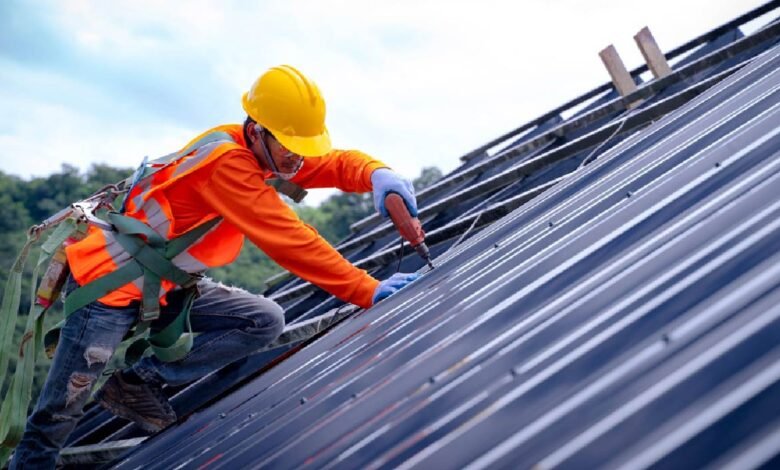
Metal roofing has gained popularity for its long-lasting durability, resistance to extreme weather, and energy efficiency. Roofs made of aluminum, steel, or copper provide superior protection against wind, rain, and snow. Metal roofing can be installed as panels or shingles and is often coated to prevent rust and improve aesthetic appeal. Additionally, reflective metal roofs can help reduce heat absorption, lowering cooling costs and enhancing energy efficiency.
Tile and Slate Roofing
Tile and slate roofing materials offer both durability and a timeless aesthetic. These materials are highly resistant to fire, water, and insect damage, making them an excellent long-term investment. While the installation process for tile and slate is more specialized and labor-intensive, the lifespan of these roofing materials can exceed several decades with proper care. Roofing professionals experienced in handling heavy materials and precise installation techniques are essential for achieving optimal results.
Flat Roofing Systems
Flat roofing is commonly used in commercial and industrial buildings, as well as modern residential designs. Materials for flat roofing include TPO (thermoplastic polyolefin), EPDM (ethylene propylene diene monomer), PVC, and built-up roofing (BUR). Flat roofs require careful attention to waterproofing, drainage, and insulation to prevent leaks and structural damage. Professional roofing installation ensures proper slope, secure seams, and durable materials that can withstand standing water and heavy traffic.
Green and Energy-Efficient Roofing
Green roofing, including vegetative roofs, solar panel-integrated systems, and reflective coatings, is an increasingly popular choice for sustainable building practices. These systems improve insulation, reduce heat absorption, and contribute to environmental conservation. Roofing professionals with expertise in sustainable systems can design, install, and maintain these innovative solutions to maximize both environmental benefits and long-term performance.
Key Considerations for Roofing Materials
Selecting the appropriate roofing materials requires evaluating durability, cost, aesthetic appeal, maintenance requirements, and climate suitability. Durable materials, such as metal, slate, or high-quality asphalt shingles, provide longer lifespans and lower long-term maintenance costs. Cost considerations involve balancing initial investment with anticipated longevity, maintenance needs, and potential energy savings.
Aesthetic considerations are also important, as the roofing design influences the building’s overall appearance and property value. Materials that complement the architectural style of the property enhance curb appeal and create a cohesive, visually appealing structure. Maintenance requirements vary by material; for example, asphalt shingles may require occasional inspections and replacement of damaged shingles, while metal and slate roofing generally require less frequent attention but demand professional expertise for repairs.
Professional Roofing Installation
Professional roofing installation is critical for achieving optimal performance and longevity. Experienced roofing contractors assess the building structure, evaluate material options, and ensure proper installation techniques. Key factors include securing the roof deck, applying underlayment, installing flashing to prevent leaks, and ensuring shingles or panels are correctly aligned.
Installation quality directly impacts the durability and effectiveness of roofing. Improperly installed roofing can result in leaks, water damage, reduced energy efficiency, and accelerated wear. Engaging skilled roofing professionals ensures adherence to manufacturer specifications, industry standards, and safety regulations, providing peace of mind and long-term reliability.
Maintenance and Inspection of Roofing
Routine maintenance is essential for prolonging the life of roofing. Regular inspections identify potential issues such as damaged or missing shingles, deteriorated flashing, water stains, or structural weaknesses. Promptly addressing these concerns prevents minor problems from escalating into major damage, reducing repair costs and extending roof lifespan.
Cleaning gutters, removing debris, inspecting seals, and checking for moss or algae growth are common maintenance tasks that enhance roofing performance. Installing protective systems, such as gutter guards or roof coatings, can reduce maintenance frequency while improving water management and weather resistance. Professional roofing services provide comprehensive inspections, preventative maintenance, and timely repairs to ensure optimal functionality over time.
Common Roofing Problems and Solutions
Even well-constructed roofing systems may encounter challenges. Common problems include leaks, storm damage, sagging, algae or moss growth, and wear from exposure to extreme weather. Solutions vary depending on the severity of the issue, material type, and roof design.
Leaks can be caused by damaged shingles, deteriorated flashing, or improperly sealed joints. Roofing professionals can identify the source, repair or replace the affected materials, and restore the roof’s protective function. Storm damage, such as broken shingles or punctures, requires timely assessment and repair to prevent water infiltration and further structural damage. Sagging areas may indicate underlying structural issues that require reinforcement or partial roof replacement.
Algae, moss, and other organic growths can compromise roofing integrity and aesthetics. Regular cleaning and application of protective treatments prevent accumulation and prolong roof life. Preventive measures, combined with professional inspections, address minor concerns before they escalate into costly repairs.
Cost and Investment Considerations
Investing in roofing involves balancing upfront costs with long-term benefits. Higher-quality materials and professional installation may have a higher initial expense but reduce maintenance requirements, extend lifespan, and enhance energy efficiency. Roof longevity varies depending on material choice, installation quality, climate conditions, and maintenance practices.
Property owners should consider warranties offered by manufacturers and roofing professionals. These warranties provide protection against defects, installation errors, and premature deterioration, offering financial security and peace of mind. Engaging experienced roofing professionals ensures that warranties are honored and that the roofing system performs as intended.
Long-Term Benefits of Professional Roofing
Professional roofing delivers multiple long-term advantages, including structural protection, enhanced energy efficiency, reduced maintenance costs, and improved aesthetic appeal. A well-constructed roof safeguards the building against water infiltration, mold, and structural damage while supporting insulation and energy conservation. Professional roofing also adds value to the property, improving marketability and providing a safe, reliable, and visually appealing environment.
Engaging professional roofing services ensures that the roof is installed correctly, maintained regularly, and capable of withstanding diverse weather conditions. This approach prevents costly repairs, minimizes downtime, and provides peace of mind that the building’s most critical protective element is performing optimally.
Conclusion
Roofing in Rockland County is a vital component of any building, influencing both structural integrity and long-term performance. Proper selection of materials, expert installation, and routine maintenance ensure durability, safety, and energy efficiency. Professional roofing services provide expertise in material selection, installation techniques, inspections, and preventive care, maximizing the lifespan and effectiveness of the roof.
Property owners who invest in high-quality roofing solutions benefit from reliable protection, reduced maintenance costs, and enhanced aesthetic appeal. Whether installing a new roof, repairing an existing system, or upgrading to energy-efficient or sustainable options, professional roofing ensures superior results that safeguard the building and provide long-term value.