
How to Protect Your Home from Cracked Foundations and Prevent Water Damage

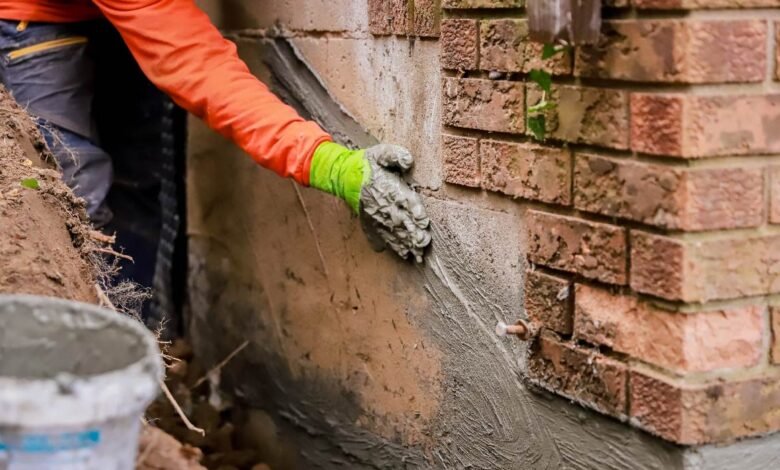
Cracked foundations are one of the most significant concerns for homeowners. Even seemingly minor cracks can indicate underlying structural issues that, if left unaddressed, may lead to severe damage, costly repairs, and potential safety hazards. Understanding the causes of foundation cracks, recognizing the warning signs, and implementing effective solutions are crucial for preserving the integrity and value of your home. This guide provides a comprehensive overview of cracked foundations, repair techniques, and the critical role of waterproofing in long-term protection.
Understanding the Causes of Cracked Foundations and Early Warning Signs
Cracks in a foundation can result from a combination of environmental, structural, and construction-related factors. One of the most common causes is soil movement. Expansive clay soils expand when wet and shrink when dry, placing enormous pressure on foundation walls. Over time, this constant shifting can create cracks. Similarly, poorly compacted soil beneath a home can settle unevenly, leading to structural stress and visible fissures in walls and floors.
Water is another major contributor. Excessive moisture near the foundation—from heavy rainfall, leaking plumbing, or poor drainage—can erode soil and create hydrostatic pressure against walls. Prolonged dry periods, conversely, can cause soil to shrink and leave voids beneath the foundation, reducing support. Both scenarios increase the likelihood of cracking.
Construction defects also play a role. Foundations with insufficient reinforcement, substandard concrete, or improper curing techniques are prone to cracking, even in new homes. Older homes may develop cracks over time due to natural wear, temperature changes, and seismic activity.
Recognizing early signs of foundation issues is critical. Common indicators include:
- Hairline or widening cracks in walls or floors
- Doors and windows that stick or fail to close properly
- Uneven floors or sloping surfaces
- Bowing walls or stair-step cracks in brickwork
Addressing these signs promptly helps prevent minor issues from evolving into major structural problems. Homeowners should also understand that water intrusion often accompanies foundation cracks, which is why investing in basement waterproofing is a key preventative measure.
Effective Repair Techniques for Cracked Foundations
The approach to repairing cracked foundations depends on the crack type, severity, and root cause. Several effective techniques are widely used by professionals to restore structural stability and prevent future damage.
Epoxy or Polyurethane Injections – These methods are commonly applied to cracks in concrete walls. Epoxy injections bond the crack and restore structural strength, while polyurethane foams expand to fill gaps and seal leaks, preventing water infiltration.
Carbon Fiber Reinforcement – For horizontal cracks caused by soil pressure, carbon fiber straps provide long-term stabilization. These straps are attached to the walls to resist bowing and further cracking.
Mudjacking or Slab Jacking – When foundation slabs settle unevenly, mudjacking involves injecting a cementitious mixture beneath sunken areas to lift and level them. This technique can be applied to floors, driveways, or patios connected to the foundation.
Exterior Excavation and Waterproofing – In severe cases, exterior excavation may be required to access foundation walls. After repairing cracks, waterproof membranes are applied, and drainage systems are installed to divert water away from the foundation. This approach addresses both structural and moisture-related issues.
Wall Anchors – Bowing walls can be stabilized using wall anchors. Steel rods connect the foundation walls to anchors embedded in the surrounding soil, gradually realigning walls while providing ongoing support.
Repairing cracks alone is often insufficient if water intrusion is a factor. Moisture can worsen structural damage over time, making it essential to combine crack repair with waterproofing measures. This dual approach ensures that the foundation remains both structurally sound and dry, enhancing the overall longevity of the home.
The Importance of Basement Waterproofing in Preventing Structural Damage
Cracked foundations and water intrusion are often interconnected problems. Even small cracks allow water to seep into basements, creating damp conditions that accelerate deterioration, promote mold growth, and damage flooring, stored items, and HVAC systems. Therefore, investing in basement waterproofing is critical to maintaining the health and stability of any property.
Waterproofing can be implemented through interior or exterior methods. Interior systems include sump pumps, interior drainage channels, and waterproof coatings on walls and floors, which effectively manage moisture that enters the basement. Exterior waterproofing involves excavation, crack repair, waterproof membranes, and proper drainage to prevent water from reaching the foundation in the first place.
By combining waterproofing with foundation repair, homeowners achieve both structural and moisture protection. Not only does this prevent further cracking and bowing, but it also safeguards indoor air quality and prevents long-term damage caused by mold and mildew.
Preventative measures are equally important. Proper grading around the home ensures water flows away from the foundation, gutters and downspouts are maintained to prevent overflow, and vegetation near the foundation is controlled to avoid root pressure. Regular inspections allow homeowners to detect minor cracks, moisture issues, or signs of settling early, enabling timely intervention before problems escalate. Incorporating waterproofing during construction or renovation is a forward-thinking choice, as it reduces the risk of water-related complications and reinforces the foundation’s durability.
Homeowners who prioritize foundation stability and moisture control not only protect their property but also preserve its value. Investing in basement waterproofing as part of a comprehensive foundation maintenance strategy is a practical and cost-effective measure to prevent future damage and costly repairs.
Preventing Future Cracks and Maintaining Structural Integrity
Preventing foundation cracks requires proactive management and long-term care. Regular monitoring of walls, floors, and structural elements helps identify potential issues before they become severe. Homeowners should also address drainage and moisture management, maintaining a clear path for water to flow away from the foundation and avoiding soil saturation that could increase hydrostatic pressure.
Controlling temperature fluctuations and managing landscaping near the foundation are additional preventive strategies. Deep-rooted trees, for example, can disrupt soil stability, while excessive shade may trap moisture against the foundation. Using appropriate soil treatments, drainage solutions, and waterproofing coatings helps maintain a stable environment around the home.
Integrating crack repairs, drainage improvements, and waterproofing into a long-term maintenance plan provides peace of mind. Proactively managing the foundation ensures that minor issues do not evolve into structural failures, protecting both the home and its occupants. For many homeowners, investing in basement waterproofing alongside these measures represents the most effective strategy for long-term protection.
Conclusion
Cracked foundations are a serious issue that can compromise the safety, durability, and value of a home. Understanding the causes, recognizing warning signs, and implementing appropriate repair techniques are essential for maintaining structural integrity. Equally important is managing water intrusion, as moisture can worsen cracks and lead to mold growth, property damage, and health concerns.
Combining crack repair with waterproofing measures offers a comprehensive solution that addresses both structural and moisture-related risks. By taking proactive steps waterproofing homeowners can protect their homes from immediate threats and ensure long-term durability. Prioritizing these measures preserves property value, enhances safety, and provides peace of mind, making foundation care an indispensable part of responsible homeownership.