

You bring flowers home, set them in water, and within a few days, you start noticing the edges curling and the color fading, even though the moment they came from still feels fresh in your head. It is a small thing, but it sticks with people more than they expect.
For a long time, flowers were understood as temporary. You enjoy them, and then you let them go. That idea still holds, but something has shifted. More people are starting to pause at that last step, wondering if something that meant so much has to disappear that quickly.
The Shift from Decoration to Memory
Flowers used to sit in the background of events. Weddings, birthdays, small celebrations. They were part of the setting, not the focus. You noticed them, but you did not think much about what happened after.Now it feels different. People are paying more attention to what flowers represent. A bouquet is tied to a moment, and that moment often carries weight. It might be a wedding day, a farewell, or even just something quiet but meaningful.
Once that connection is made, throwing the flowers away can feel slightly off. Not dramatic, just uncomfortable in a way that is hard to explain. So, people start looking for ways to keep them, even if they are not sure how yet.
How People Are Finding Ways to Make Flowers Last
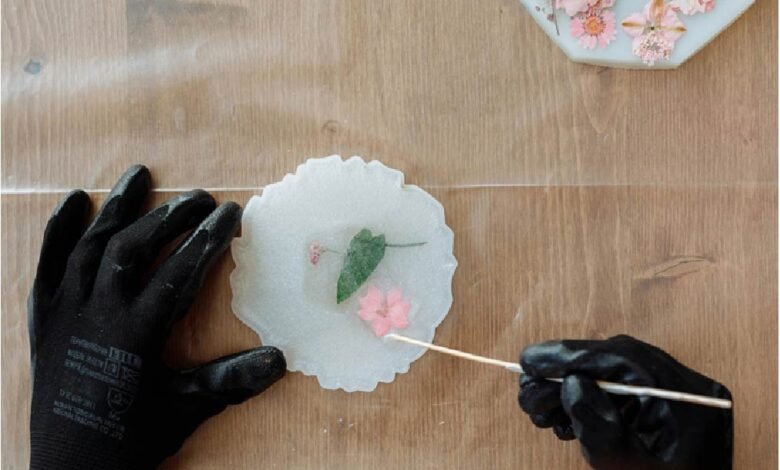
At first, most people try simple methods. Pressing flowers in books, drying them upside down, or placing them somewhere cool and hoping they hold their shape. Sometimes it works, sometimes it does not. This is where resin flower preservation comes into the discussion. The challenge is that flowers are fragile. They lose color, they shrink, they become brittle. Preserving them in a way that still looks close to the original takes more than just letting them dry.
The process involves sealing flowers in clear materials that protect their shape and color over time. The goal is simple: keep the flower as close as possible to how it looked when it mattered.
It Reflects How People Think About Memories Now
There is also a broader shift happening in how people hold onto memories. Photos are everywhere. Phones are full of them. But at the same time, they feel less tangible.A preserved flower sits in a different space. It is physical. You can place it somewhere, pick it up, and look at it closely. It feels more grounded than a digital image, even if both come from the same moment.
This does not replace photos. It sits alongside them. But for some people, that physical presence carries a different kind of meaning. It is quieter, maybe, but more direct.It also connects to a growing interest in keeping things that feel personal. Not expensive or perfect, just meaningful in a way that makes sense to the person holding onto it.
The Influence of Slower Living
Lifestyle trends have played a role as well, though not always in obvious ways. There has been more attention on slowing things down, even if only in small parts of daily life.Preserving flowers fits into that idea. It asks for a bit of patience. The process cannot be rushed without affecting the outcome. It also encourages people to pay attention to details they might normally overlook.
This does not mean everyone is suddenly living a slower life. Most people are still busy. But there is a tendency to carve out small moments where things feel more intentional. Keeping flowers from an important day is one of those moments.It is not about making a statement. It is more about not letting something meaningful pass without noticing it.
It Is Becoming Part of Personal Storytelling
People are also using preserved flowers as a way to tell their own stories. A wedding bouquet becomes something that stays in the home. A single flower from an event might be kept as a reminder of that time.These objects are not always displayed in obvious ways. Sometimes they are placed on shelves, sometimes tucked into personal spaces. But they carry a narrative.It is similar to how people keep letters or small items from past experiences. The difference is that flowers were once expected to disappear. Keeping them changes how that story is held.
There is also a creative side to it. Arrangements, shapes, and display styles vary. Some people prefer simple forms; others go for more structured designs. The approach depends on the person, which makes each piece feel slightly different.
Not Everything About It Is Perfect
It is worth noting that preserving flowers is not always straightforward. Results can vary. Some hold their color better than others. Some shapes change during the process.There is also a learning curve. People trying it for the first time may not get the outcome they expected. That can be frustrating, especially when the flowers carry emotional value.
Even with professional methods, there are limits. The preserved version is close to the original, but not identical. That difference is part of the process, though it can take time to accept.Still, for many, the result feels worth it. It captures something that would otherwise be gone.
What used to feel unusual is becoming more common. You see preserved flowers in homes, in small displays, sometimes even as part of everyday decor.It is not treated as a niche idea anymore. It has moved into the background of lifestyle choices, where people adopt it without thinking too much about it.That is usually how trends settle in. They stop feeling like trends and start feeling like options.
For those who choose it, preserving flowers becomes less about following an idea and more about responding to a feeling. Something mattered, and they wanted to keep a part of it.And that, more than anything else, seems to explain why it is growing. Not because it is new or complex, but because it answers a quiet question people have been asking more often, which is what to do with something that meant more than expected.