

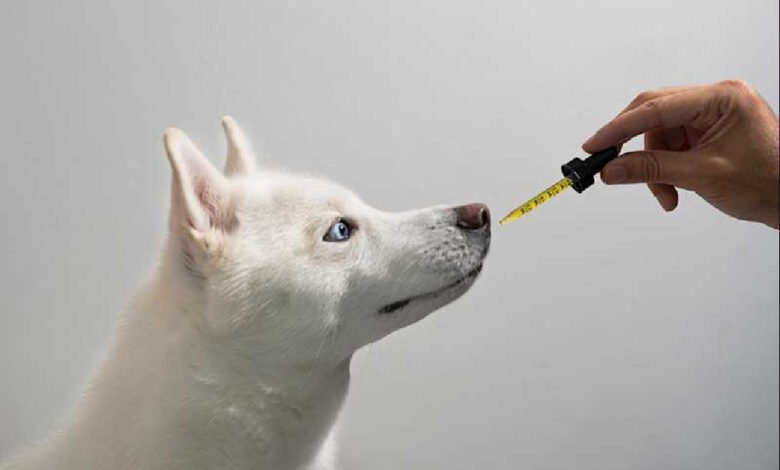
Pet wellness shelves now include many CBD-derived options. Packaging often looks similar, which can make the selection feel confusing. Clear knowledge helps separate quality products from less reliable ones. Careful review before purchase supports safer and more effective use.
Source and Hemp Quality
Plant origin plays a major role in product safety. Many buyers explore Pet CBD after learning that hemp can absorb substances from the soil. Organically grown plants help reduce exposure to unwanted chemicals. Clean sourcing supports better overall purity.
Reputable brands often share where their hemp is grown. Farming practices influence the final extract quality. Transparency about cultivation builds trust. Clear sourcing details help buyers make informed choices.
Extraction Method
The way hemp compounds are extracted affects product safety and potency. CO2 extraction is widely used because it avoids harsh solvents. This method helps preserve beneficial cannabinoids and terpenes. Cleaner extraction may help improve overall product quality.
Solvent-based methods can leave residues if not handled carefully. High-quality brands usually state their extraction approach. Understanding this detail adds another layer of confidence. Proper processing supports consistent cannabinoid content.
Label Details That Matter
Labels provide key facts that guide selection. Paying attention to these details reduces guesswork.
- Total cannabinoid content per bottle
- Amount per serving or drop
- Batch number for traceability
- Third-party lab verification
These points help compare products more accurately.
Full Spectrum, Broad Spectrum, or Isolate
Hemp extracts differ in the range of plant compounds they contain. Full-spectrum formulas include cannabinoids, terpenes, and flavonoids together. Broad-spectrum options remove THC but keep other compounds. Isolates contain only purified cannabidiol.
Some believe combined plant compounds work together for broader support. Others prefer products without THC. Each option has unique characteristics. Clear labeling helps match a product to personal comfort levels.
Ingredient List and Additives
Additional ingredients influence both safety and effectiveness. Carrier oils such as hemp seed or coconut oil aid absorption and help distribute cannabinoids evenly. Artificial flavors, colors, or additives and preservatives may not suit every pet, especially those with sensitivities. Simpler formulas often reduce the risk of unwanted reactions and digestive upset.
Reading ingredient lists helps identify unnecessary fillers or synthetic compounds. Some products include herbs that provide extra support, yet each addition should serve a clear purpose. Knowing each component helps avoid combinations that do not match a pet’s needs. Clean formulas align better with natural wellness goals and straightforward nutrition plans.
What to Review in the Ingredient Panel
- Type of carrier oil used
- Presence of artificial flavors or colors
- Added herbs or plant extracts
- Absence of unnecessary fillers
Product Form and Ease of Use
CBD products appear as oils, treats, capsules, or topicals. Each form offers different advantages in daily routines. Oils allow flexible dosing, while treats provide convenience. Topicals focus on specific areas of the body.
Ease of use can influence consistency. Pets vary in their acceptance of different formats. Choosing a form that fits regular habits supports steady use. Consistency often matters for noticeable effects.
Interest in Pet CBD continues as more people seek plant-based support for animal wellness. Source quality, extraction methods, label details, ingredient lists, and product form all shape purchasing decisions. Careful evaluation helps ensure cleaner and more reliable products. Thoughtful selection supports safer integration into a pet’s routine.