

A head of leafy greens usually sits in the fridge longer than anyone planned. You buy it with good intentions, maybe imagining a quick stir fry or a bright salad, then a few busy days pass, and suddenly it looks like another vegetable you forgot to use.
That happens in a lot of kitchens. Crisp greens are healthy, affordable, and surprisingly versatile, yet many home cooks are unsure what to do with them beyond the usual salad bowl. The good news is that these vegetables adapt well to simple cooking. With a few easy ideas, they can move from the crisper drawer to the center of the plate without much effort.
Why Crisp Greens Deserve More Attention
Crisp leafy greens tend to get lumped in with every other green vegetable, but they behave a bit differently once they hit the pan. Their thicker leaves and stems hold up well to heat, so they can be sautéed or simmered without collapsing into mush.
That structure adds something useful to a dish. Even after cooking, they keep a little bite while picking up the flavors around them. The taste is usually mild too, sometimes slightly sweet, which makes them easy to season with simple things like garlic, soy sauce, citrus, or vinegar. After cooking with them a few times, they stop feeling like a garnish and start acting more like the base of a quick meal.
Using Leafy Greens in a Variety of Dishes
Some leafy greens appear again and again in home cooking because they are easy to handle and forgiving in the kitchen. They chop quickly, cook evenly, and adapt to different styles of food without much effort. One popular example is Napa cabbage, which often shows up in stir-fries, soups, and salads. Its pale leaves soften quickly while the thicker stems keep a pleasant crunch. That contrast is part of why cooks return to it so often.
When exploring crisp greens, it helps to treat them less like a strict recipe ingredient and more like a flexible building block. Once you see how they behave in heat or broth, you begin to notice how easily they fit into everyday meals.
Quick Stir Fry Dishes
One of the simplest ways to cook crisp greens is in a stir fry. The method is straightforward and works well even on busy weeknights. Start by heating a small amount of oil in a pan or wok. Add sliced garlic or ginger first so the aromatics release their flavor. After that, the chopped greens can go in. Because crisp leaves contain water, they soften quickly once they meet heat. The goal is not to cook them for long periods. A few minutes of tossing in the pan usually does the trick.
At the end, add a light sauce such as soy sauce, oyster sauce, or even a squeeze of lime. The leaves will absorb just enough seasoning while still keeping their natural freshness. Stir fry dishes like this pair easily with rice or noodles, which makes them practical for everyday cooking.
Adding Greens to Soups and Broths
Crisp leafy vegetables also behave well in soups. Their texture allows them to soften in hot broth without completely disappearing. Many cooks add them during the final minutes of cooking. This keeps the leaves bright and prevents them from becoming too soft. The greens can be sliced into thin ribbons before going into the pot. That way, they spread evenly throughout the broth and cook quickly.
Simple soups benefit the most from this addition. A light chicken broth, for example, becomes more filling once vegetables are added near the end. The greens absorb some of the flavor while also giving the soup a gentle sweetness. It is an easy trick for turning a basic broth into a more complete meal.
Fresh Salads with a Little Crunch
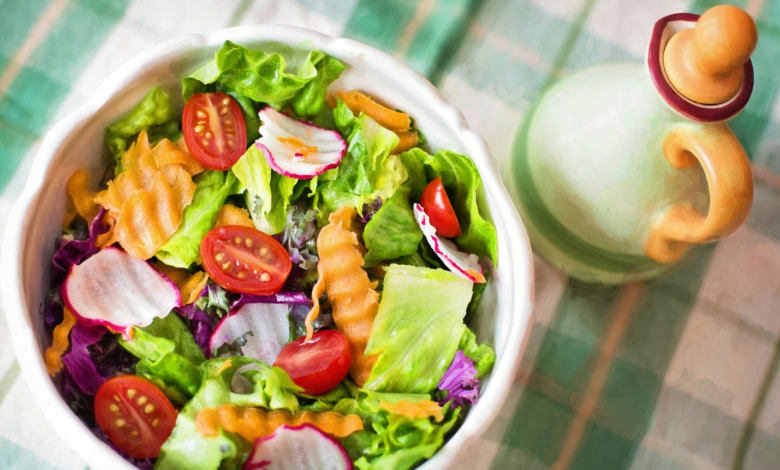
Although cooked dishes receive most of the attention, crisp greens are excellent in salads as well. Their firm texture adds bite without feeling heavy. Instead of cutting the leaves too finely, try slicing them into larger strips. This keeps the salad feeling fresh and prevents it from turning soggy once dressing is added.
Light dressings work best here. A mixture of citrus juice, honey, and olive oil keeps the flavor bright. Some cooks add sesame oil or rice vinegar for a slightly different direction. Toppings can stay simple. Toasted seeds, sliced cucumber, or shredded carrots blend naturally with the texture. A salad built this way feels refreshing rather than overly complicated, which is often what people want from a quick side dish.
Light Braising for Deeper Flavor
Another approach involves braising. This technique uses a small amount of liquid and gentle heat to soften vegetables slowly. Crisp greens respond well to this method because their thicker stems hold shape while the leaves relax into the cooking liquid.
Start by sautéing onion or garlic in a pan. Once the aroma develops, add the chopped greens and a small amount of broth or water. Cover the pan and allow the mixture to cook for several minutes. The steam helps soften the vegetables while the broth carries flavor into the leaves. A final splash of vinegar or lemon juice brightens the dish and keeps the flavor balanced.
Pairing Greens with Protein
Crisp leafy vegetables also work well alongside protein-based dishes. Their freshness offsets heavier ingredients such as pork, tofu, chicken, or seafood. In stir-fry meals, the greens are often added after the protein has already begun cooking. This allows the vegetables to soak up some of the juices released by the meat or tofu.
The result is a dish where flavors blend naturally. The greens stay light and slightly crunchy while the protein provides depth. This balance is one reason these vegetables appear so often in Asian-style cooking, though the idea works in many cuisines.
Why Simple Cooking Methods Work Best
One lesson many home cooks eventually discover is that crisp greens rarely need complicated preparation. In fact, they often taste better when treated simply. Short cooking times preserve their natural sweetness. Light seasoning allows their texture to remain the focus rather than covering it with heavy sauces. These vegetables also respond well to experimentation. A stir-fry one night might turn into a soup ingredient the next day. Leftovers can even appear in sandwiches or wraps.
The key is flexibility. Once you become comfortable cooking with crisp leafy vegetables, they stop feeling like an ingredient that sits unused in the refrigerator. Instead, they become one of the most reliable parts of a quick home-cooked meal.