

Key Takeaways:
- Urban trees significantly enhance public health by improving air quality and reducing urban heat.
- Strategic tree planting in Grand Rapids aims to achieve a 40% tree canopy, promoting environmental and social benefits.
- Community involvement is crucial in maintaining and expanding the urban forest for long-term sustainability.
The Vital Role of Urban Trees in Public Health
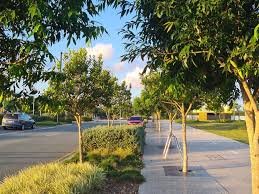
In Grand Rapids, MI, urban trees play a pivotal role in promoting healthier living environments for residents. They function as natural air filters, trapping pollutants like ozone, dust, and particulate matter while releasing oxygen. This continuous process helps reduce the prevalence of respiratory illnesses and benefits all residents, particularly those in areas with heavy traffic or industrial activity. In addition to purer air, streets shaded by trees are known to encourage walking and outdoor activity, thereby improving overall physical health in the population.
With Grand Rapids setting sights on a robust 40% urban tree canopy, the health and safety of its neighborhoods are poised to improve significantly. The work behind achieving and maintaining this canopy also demands ongoing professional care, which is where services like tree removal in Grand Rapids MI, come into play. Big Chipper Tree Service is a trusted provider in West Michigan, offering expert arboricultural solutions for residential and commercial properties. The company ensures each project, whether it’s pruning, emergency removal, or hazardous tree assessments, is handled with safety, local expertise, and environmental stewardship in mind. Their service area includes all of Grand Rapids, delivering peace of mind for property owners who need reliable professional support to keep the urban forest healthy and sustainable.
Mitigating the Urban Heat Island Effect
As global temperatures rise, the heat risks associated with urbanization become more pronounced. Grand Rapids, like many urban centers, faces the urban heat island effect, in which dense development and paved surfaces absorb and radiate heat, causing local temperatures to spike during summer. Trees combat this issue by offering widespread shade and cooling through evapotranspiration. Their leafy canopies block sunlight from streets and buildings, helping to lower air and surface temperatures in the city. Reduced ambient heat not only improves outdoor comfort but also lowers indoor air conditioning demand, saving energy and reducing the city’s overall carbon footprint.
Extreme heat is a public health hazard. Vulnerable populations such as the elderly and children face the greatest risks. Urban tree planting acts as a front-line defense, diminishing these dangers and keeping city environments more livable year-round.
Enhancing Community Safety and Well-being
Trees do much more than just shield from the sun. Research shows that areas lined with mature trees tend to have lower crime rates, as their calming influence encourages more community members to spend time outdoors. Well-maintained green spaces foster natural surveillance, otherwise known as “eyes on the street,” helping deter criminal activity and strengthening neighborhood ties. The tranquil presence of trees also correlates with lower stress levels, improved mental health, and faster recovery from illness or trauma.
Beyond public safety, greenery enhances the social fabric by providing inviting spaces for residents to come together. Public parks and shaded walkways are not only paths for passage, but also venues for community events and gatherings. The collective care of these green spaces further boosts civic pride and unity.
Grand Rapids’ Commitment to Expanding Tree Canopy
The city of Grand Rapids has committed itself to a bold vision of reaching 40% tree canopy coverage. This policy is more than just a target—it is a declaration to prioritize healthy urban living for decades to come. City leaders, alongside organizations such as Friends of Grand Rapids Parks, are spearheading mass planting efforts in public parks, neighborhoods, and along city streets.
This structured, citywide approach ensures that green infrastructure is evenly distributed, so no neighborhood is left without the benefits of increased tree canopy. By 2035, the city expects to see thousands of new trees providing shade, sequestering carbon, and supporting regional biodiversity.
Community Involvement in Urban Forestry
The ambitious tree canopy goal in Grand Rapids can only be met with active public participation. Residents are encouraged to take part in community planting events, water newly planted saplings, and advocate for green policy initiatives. Such programs not only support tree survival during the critical first few years but also create educational opportunities that encourage younger generations to appreciate and protect the urban forest.
Getting involved is straightforward, and local organizations provide the tools and training volunteers of all ages need. Civic engagement around trees helps cultivate a collective sense of responsibility for the local environment, making Grand Rapids a leading example of community-powered urban forestry.
Addressing Environmental Justice Through Tree Planting
Equity in urban planning is a key priority for Grand Rapids. Historically, low-income neighborhoods have less green cover, leading to hotter microclimates, reduced air quality, and poorer health outcomes. Targeted tree planting in these areas can bridge this disparity, resulting in cooler neighborhoods, healthier residents, and more vibrant community spaces.
Strategic investment in underserved areas demonstrates the city’s commitment to environmental justice, ensuring all residents benefit from the advantages of green infrastructure. Trees in these neighborhoods provide a pathway to social, economic, and health equity.
Professional Tree Services in Grand Rapids
The ongoing vitality of Grand Rapids’ urban forest depends on consistent, expert maintenance. While community support is fundamental, professional arborists are often needed to address complex needs such as hazardous tree removal, storm cleanup, and disease management. Professionals carry certifications and equipment that keep residents and property safe while supporting long-term canopy growth and maintenance.
Looking Ahead: The Future of Urban Forestry in Grand Rapids
As the urban landscape evolves, Grand Rapids’ dedication to expanding and maintaining its tree canopy stands as a model for other communities. Strong partnerships among the city, organizations, residents, and businesses will remain essential. Ongoing investment in education, public engagement, and professional services will ensure urban forestry remains a central component of the city’s sustainable future, delivering measurable benefits for public health, community safety, and environmental resilience.
Frequently Asked Questions
Why is urban tree canopy important?
Urban tree canopies improve air quality, reduce heat, enhance mental health, and contribute to community safety.
How can residents get involved in tree planting initiatives?
Residents can participate in local events organized by groups like Friends of Grand Rapids Parks and volunteer for tree planting and maintenance activities.
What are the benefits of professional tree services?
Professional services ensure safe tree removal, proper maintenance, and contribute to the overall health of the urban forest.
How does tree planting address environmental justice?
Planting trees in underserved neighborhoods helps reduce temperature disparities and promotes equitable access to environmental benefits.
What is Grand Rapids’ goal for tree canopy coverage?
The city aims to achieve a 40% tree canopy to enhance environmental and social well-being.