

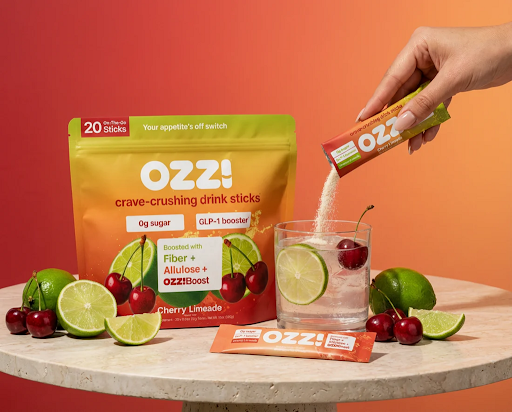
The wellness industry has witnessed a significant shift in recent years, with GLP-1 supplement drinks emerging as a notable category in metabolic health management. These beverages represent a convergence of nutritional science and consumer convenience, offering an alternative approach to appetite regulation and blood sugar control. Unlike traditional pharmaceutical interventions, these drinks have carved out a distinct space in the wellness market, appealing to health-conscious consumers seeking accessible solutions for weight management and metabolic support.
The Science Behind GLP-1 and Metabolic Function
Glucagon-like peptide-1 (GLP-1) is an incretin hormone that plays a crucial role in glucose homeostasis and appetite regulation. Produced primarily in the intestinal L-cells, this hormone stimulates insulin secretion in response to food intake while simultaneously suppressing glucagon release.
The hormone’s metabolic benefits include:
- Enhanced glucose-dependent insulin secretion, reducing hyperglycemia risk
- Delayed gastric emptying, which prolongs satiety signals
- Reduced appetite through central nervous system pathways
- Improved pancreatic beta-cell function and survival
- Potential cardiovascular protective effects
These mechanisms explain why GLP-1-based interventions have become a focus in obesity and diabetes research. The hormone’s ability to influence both metabolic and appetite pathways makes it particularly relevant for individuals struggling with weight management and glycemic control.
Market Evolution and Consumer Adoption
The supplement drink category has expanded rapidly as consumers seek alternatives to injectable GLP-1 medications. While pharmaceutical GLP-1 receptor agonists require prescriptions and regular injections, supplement drinks offer a more accessible entry point for those interested in metabolic support.
Several factors have driven this market growth:
- Accessibility barriers: Injectable medications often require medical supervision and can be cost-prohibitive, creating demand for over-the-counter alternatives
- Consumer preference: Many individuals prefer oral supplementation over injections, regardless of efficacy differences
- Wellness culture integration: These drinks fit seamlessly into existing supplement routines, alongside protein shakes and vitamin beverages
- Digital health influence: Social media discussions about metabolic health have increased awareness of GLP-1’s role in appetite regulation
The global weight management market continues to expand, with functional beverages representing a growing segment. This trend reflects broader consumer interest in convenient, science-backed wellness solutions.
Product Formats and Formulation Approaches
The GLP-1 supplement drink market features diverse product formats designed to accommodate different lifestyles and preferences. Manufacturers have developed various delivery systems, from ready-to-drink bottles to powdered mixes and single-serve packets.
Common formulation strategies include:
- Powdered concentrates: These products allow users to control serving sizes and mix with their preferred beverages
- Single-serve packets: Portable options designed for on-the-go consumption, often featuring individual dose packaging
- Ready-to-drink formats: Pre-mixed beverages that require no preparation, appealing to convenience-focused consumers
- Flavor variety: Manufacturers offer multiple taste profiles to improve compliance and daily use
Across these formats, Ozzi, Supergut, and Pendulum Metabolics each take different approaches — worth comparing for consumers deciding between convenience and dosing flexibility.
Natural Compounds and Dietary Alternatives
For consumers interested in supporting GLP-1 function through whole foods and natural compounds, several dietary approaches show promise. While these alternatives don’t replicate pharmaceutical GLP-1 agonists, they may support the body’s endogenous GLP-1 production and function.
Evidence-based dietary strategies include:
- Soluble fiber sources: Oats, legumes, and psyllium husk can slow gastric emptying and may stimulate GLP-1 secretion through fermentation byproducts
- Protein-rich foods: Amino acids, particularly leucine and glutamine, have been shown to trigger GLP-1 release from intestinal cells
- Fermented foods: Probiotics and postbiotics may influence incretin hormone production through gut microbiome modulation
- Omega-3 fatty acids: Found in fatty fish and certain plant sources, these fats may enhance GLP-1 secretion
- Polyphenol-rich foods: Compounds in berries, green tea, and dark chocolate may support metabolic health through multiple pathways
Addressing Sugar Cravings Through Multiple Mechanisms
Sugar cravings represent a significant challenge for individuals attempting to modify their dietary patterns. GLP-1’s role in appetite regulation has made it a target for craving management, though the relationship between hormone levels and specific food desires remains complex.
Comprehensive strategies for managing sugar cravings include:
- Blood sugar stabilization: Maintaining steady glucose levels through balanced meals reduces reactive cravings
- Adequate hydration: Thirst signals can sometimes be misinterpreted as hunger or cravings
- Protein distribution: Including protein at each meal helps maintain satiety and reduces between-meal cravings
- Sleep optimization: Poor sleep disrupts appetite-regulating hormones, including ghrelin and leptin
- Stress management: Cortisol elevation can drive cravings for high-calorie, palatable foods
- Mindful eating practices: Awareness of hunger and fullness cues can reduce automatic eating behaviors
While GLP-1 supplement drinks may support appetite regulation, they work best as part of a comprehensive approach that addresses the multiple factors influencing food choices and cravings.
Evaluating Benefits and Limitations
As with any supplement category, GLP-1 drinks present both potential advantages and important considerations. Understanding these factors helps consumers make informed decisions about whether these products align with their health goals.
Potential benefits include:
- Non-invasive delivery: Oral supplementation avoids injection-related concerns and medical supervision requirements
- Routine integration: Drinks fit easily into existing daily habits, potentially improving adherence
- Lower cost barrier: Supplements typically cost less than prescription medications, though efficacy differences exist
- Complementary support: These products may work alongside dietary and lifestyle modifications
Important limitations and considerations:
- Efficacy questions: Oral GLP-1 supplements face bioavailability challenges, as the hormone is rapidly degraded in the digestive system
- Regulatory status: Unlike pharmaceutical GLP-1 agonists, supplements aren’t FDA-approved for specific medical conditions
- Individual variation: Response to supplementation varies significantly based on baseline metabolic health, diet, and genetics
- Potential side effects: Some users report digestive discomfort, nausea, or other gastrointestinal symptoms
- Medical consultation: Individuals with diabetes, metabolic disorders, or those taking medications should consult healthcare providers before starting supplementation
The FDA’s guidance on dietary supplements reminds consumers that these products are not intended to diagnose, treat, cure, or prevent disease. This distinction is particularly important for metabolic health products, where pharmaceutical options exist for medical conditions.
Future Directions in Metabolic Supplement Development
The GLP-1 supplement drink category continues to evolve as manufacturers refine formulations and researchers better understand incretin hormone function. Several trends are likely to shape this market’s development over the coming years.
Emerging developments include:
- Enhanced bioavailability: Research into delivery systems that protect GLP-1 or GLP-1 secretagogues from digestive degradation
- Personalized formulations: Products tailored to individual metabolic profiles, potentially incorporating genetic or microbiome data
- Combination approaches: Formulations that pair GLP-1 support with complementary compounds like fiber, protein, or polyphenols
- Transparency improvements: Better clinical evidence and clearer communication about realistic expectations
- Regulatory evolution: Potential for more stringent quality standards as the category matures
As consumer interest in metabolic health continues to grow, the supplement industry will likely invest further in research and product development. The challenge lies in balancing innovation with evidence-based claims and realistic consumer expectations.
The intersection of nutritional science, consumer wellness trends, and metabolic health research has created space for GLP-1 supplement drinks in the modern wellness landscape. While these products offer convenience and accessibility, they represent one tool among many for individuals seeking to support their metabolic health. As with any wellness intervention, the most effective approach typically combines multiple strategies—including nutrition, physical activity, sleep, stress management, and, when appropriate, targeted supplementation—tailored to individual needs and circumstances.