
The Science Behind a Perfect Fountain Display: Why the Pump Makes All the Difference

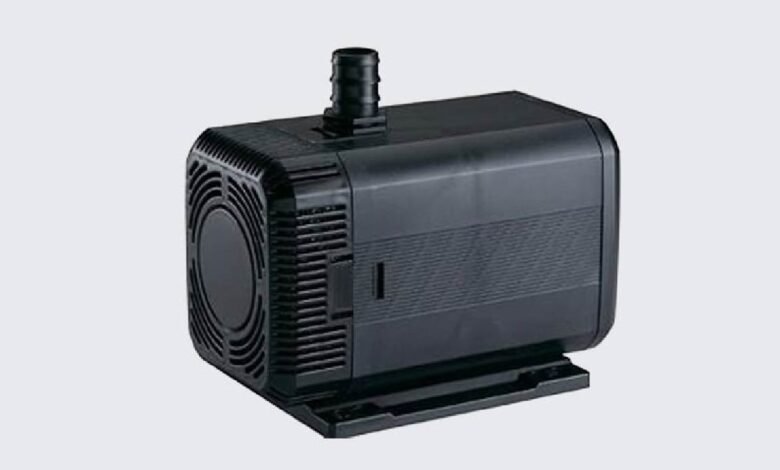
Fountains draw eyes of the beholder with their steady dance of water, but that motion hides a precise mechanical heart. A weak pump leaves sheets flat and sounds off, turning a showpiece into background noise. You sense the drop in energy right away when circulation slows or the spray fades.
No part shapes the fountain’s character more than its pump, and a mismatched fountain pump can quietly sabotage the whole effect. Strong models drive crisp arcs and full basins that catch light just right, while poor choices lead to sputtering jets or empty bowls. Owners who pick fountain pumps based on real needs see displays that hold up under daily use and changing weather.
Engine Power Unleashes Water’s Hidden Magic
Core Strength Fuels Every Jet: The pump acts as the driving force behind rising streams and falling sheets in any fountain setup. Without enough push, water barely clears the edges or pools in odd spots around the base. You get reliable height and spread only when the engine matches the feature’s scale from the start.
Pacing Circulation For Steady Beauty: Constant turnover keeps water fresh and moving without gaps or dead zones that invite algae. Pumps built for the basin size prevent stagnation that dulls the look over weeks. This basic rhythm supports both the visual punch and the quiet upkeep you want long term.
Handling Load Without Breakdowns: Everyday debris or temperature swings test the pump’s limits, so durable builds last through seasons. Units with strong impellers resist wear that cuts flow over time. You avoid those nagging repairs that pull attention from the display itself.
Flow Rate Crafts Mesmerizing Spray Spectacles
Height Control Through Precise Volume: Flow rate sets how high water climbs before it fans out, directly tying to the drama of each burst. Low rates starve tall nozzles, leaving thin threads instead of bold columns. Matching volume to design goals creates the impact you picture every time.
Visual Punch From Balanced Streams: Strong flow fills multiple tiers evenly so no level looks dry or overwhelmed. Weak output skews patterns, with upper jets failing while lowers flood. You notice the difference in how light plays off full, even sheets versus patchy sprays.
- Steady 100 GPH suits tabletop drips for calm office vibes.
- 300 GPH powers garden tiers without overwhelming small basins.
- 1000 GPH drives pond plumes that stand out across yards.
- Adjustable models let you dial in for wind or season shifts.
Adapting To Nozzle Demands: Specific heads demand exact flow to form bells, geysers, or trumpets without distortion. Undersized pumps collapse these shapes into mist or dribbles. Proper rates unlock the full range of effects built into your setup.
GPH Secrets Command Captivating Water Movement
Decoding Gallons For Real Results: GPH ratings promise volume, but real output drops with lift and friction in lines. You calculate needs based on basin turnover, aiming for full cycles every hour. This keeps clarity high and waste low across setups.
Linking Speed To Spray Power: Higher GPH builds momentum for wider spreads and taller reaches in open displays. Slow rates confine effects to tight basins where they belong. You balance these numbers to fit both the look and the space around it.
Avoiding Myths In Pump Specs: Advertised peaks rarely match installed reality, so test against your plumbing. Submersible pump designs often shine here with direct basin pull. Real-world checks prevent the letdown of jets that promise more than they deliver.
Wrong Size Triggers Fountain Display Nightmares
Collapsed Arcs From Undersizing: Too small a pump starves risers, turning planned towers into sad trickles that barely move. Basins go half empty, and algae creeps in from poor turnover. You watch potential vanish as the feature blends into the yard.
Floods And Waste From Oversizing: Excess power splashes rims, erodes stone, and spikes electric bills without gain. Nozzles choke or blow apart under force they cannot handle. Your dream centerpiece ends up a noisy mess that needs constant tweaking.
Plumbing Pitfalls Amplify Mismatches: Tight hoses or long runs sap output fast, so even right-on-paper picks fail. Elbows and filters add drag that no one predicts at first. You face weak shows or early burnout from strain on the wrong fit.
Efficiency Delivers Peak Power Without Penalty
Wattage Watch For Cost Control: Pumps that move more water per watt cut long-run costs without skimping on height. High draw models burn cash even when idle. You pick balances that thrill eyes and spare your budget through hot summers.
Quiet Runners Win Daily Battles: Low noise units let the water song dominate instead of motor hum. Such motor tech extends life with less heat buildup. Constant operation fades into background for patios or entryways.
Easy Maintenance Boosts Uptime: Self cleaning intakes and simple access cut downtime from clogs or checks. Modular parts swap fast if wear shows up. You keep displays sharp without weekly dives into the basin.
Centerpiece Glory Emerges From Smart Pump Choices
Basic To Bold In One Swap: A tuned pump lifts plain basins into focal points with arcs that shift in breeze and light. Weak ones leave you guessing at half power. You reclaim the vision when power matches the pipes and plans.
Daily Joy From Right Fit: Crisp patterns and clear water reward the effort of smart sizing every evening. Guests linger near features that pull them in naturally. Your space gains that polished edge from details done right.
Precision Flow Seals The Ultimate Spectacle
Crafting Displays That Last: Pumps tuned to your fountain’s needs turn water into art that endures seasons and surprises. Flat sprays or noisy floods fade when you match power to purpose. Ready to lift your feature from ordinary to unforgettable? Check pump specs today and watch the difference unfold.