

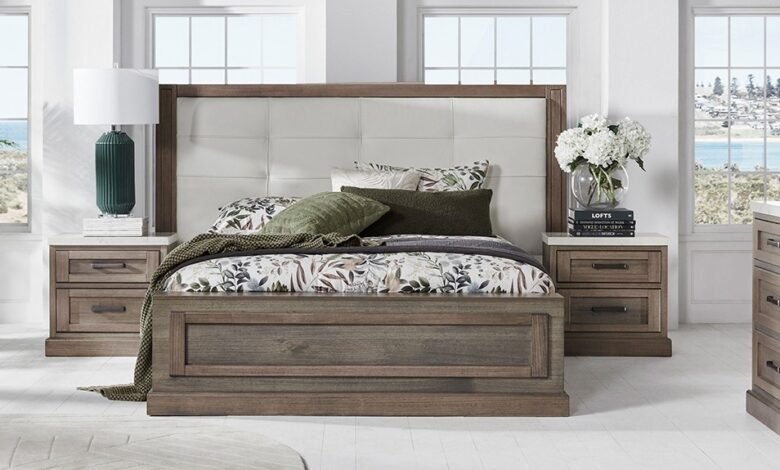
Australian homes have unique characteristics that influence furniture choices. Climate, room sizes, and lifestyle preferences all play a role in creating comfortable bedrooms. Understanding these factors helps homeowners make smarter decisions when selecting furniture that lasts and fits well.
Modern Australian bedrooms prioritize function without sacrificing style. The foundation of any well-designed bedroom starts with the right bed frame. For many homes, especially those with smaller bedrooms or growing families,OMF king single bed frames offer the perfect balance between space efficiency and sleeping comfort. This size has become increasingly popular across the country for good reason.
Understanding Australian Bedroom Sizes
Australian bedroom dimensions differ from international standards. A typical secondary bedroom measures around 3 meters by 3 meters. Master bedrooms usually range from 3.5 to 4 meters in width. These measurements matter when selecting furniture that fits comfortably without overwhelming the space.
Smaller bedrooms require careful planning. Every piece of furniture should serve a clear purpose. Oversized beds in compact rooms create cramped conditions and limit movement. This makes mid-range bed sizes particularly practical for Australian homes.
The King Single Advantage
King single beds measure 107cm wide by 203cm long. This Australian sizing standard sits between a standard single and a double bed. The extra width provides more sleeping comfort than a single bed while taking up less floor space than a double.
This size works exceptionally well for several situations. Teenagers transitioning from single beds benefit from the added space. Guest rooms become more versatile with king single frames. Even smaller master bedrooms can accommodate this size comfortably while leaving room for other essential furniture.
Parents often choose king single beds for children’s rooms because they allow space for study desks and storage solutions. The bed grows with the child from early teens through young adulthood. This longevity makes it a cost-effective choice for families.
Choosing the Right Bed Frame Material
Australian conditions demand durable materials. Timber frames suit the climate well and offer natural temperature regulation. Popular choices include Tasmanian oak, Victorian ash, and imported rubberwood. These woods handle humidity changes better than many alternatives.
Metal frames provide a modern aesthetic and excellent durability. Powder-coated steel resists rust in coastal areas where salt air can damage furniture. Metal frames also tend to be lighter, making room rearrangement easier.
Upholstered frames add softness and warmth to bedrooms. Fabric choices should consider Australian dust levels and ease of cleaning. Linen and microfiber perform well in local conditions. Avoid materials that trap moisture in humid climates.
Storage Solutions That Work
Australian homes increasingly feature built-in storage, but standalone pieces remain essential. Bedside tables should match the bed height for comfort. Two drawers provide sufficient storage for most needs without appearing bulky.
Wardrobes work best when they maximize vertical space. Floor-to-ceiling designs make the most of Australian ceiling heights, which typically range from 2.4 to 2.7 meters. Sliding doors save space compared to hinged alternatives in smaller bedrooms.
Under-bed storage offers hidden space for seasonal items. Bed frames with built-in drawers eliminate the need for separate storage boxes. This approach keeps bedrooms tidy while maintaining easy access to stored items.
Wardrobe Considerations
Walk-in wardrobes remain popular in master bedrooms, but built-in wardrobes serve most Australian bedrooms effectively. Standard wardrobe depth measures 600mm, which fits most clothing without protruding too far into the room.
Hanging space should accommodate both long and short items. Double hanging rods maximize vertical space for shirts, pants, and folded items. Adjustable shelving adapts to changing storage needs over time.
Mirrored wardrobe doors serve dual purposes in bedrooms. They provide full-length mirrors while making rooms appear larger. This optical effect particularly benefits smaller bedrooms common in modern Australian apartments and townhouses.
Bedside Tables and Lighting
Bedside tables should stand approximately level with the mattress top. This height makes reaching for items comfortable while lying in bed. Widths between 40cm and 60cm suit most spaces without dominating the room.
Each bedside table needs adequate surface area for essentials. A lamp, phone charger, glass of water, and perhaps a book should fit comfortably. Drawer space keeps personal items accessible but out of sight.
Lighting choices affect bedroom atmosphere significantly. Table lamps provide focused reading light. Wall-mounted reading lights save surface space on bedside tables. Dimmer switches allow adjustment for different times of day and activities.
Dresser and Chest of Drawers
Dressers provide essential storage and display space in bedrooms. Standard heights range from 75cm to 90cm, making them comfortable for adults to access. Six to eight drawers typically offer sufficient clothing storage.
Positioning matters for dressers in Australian bedrooms. Placing them opposite the bed creates balance. Wall placement preserves walking space in smaller rooms. The dresser top becomes a natural spot for decorative items and daily-use accessories.
Chest of drawers offers vertical storage in narrow spaces. Taller designs reaching 120cm to 140cm maximize storage without consuming floor space. This option suits bedrooms where wall space is limited but ceiling height allows vertical furniture.
Seating Options for Bedrooms
A comfortable chair transforms bedrooms into multi-functional spaces. Accent chairs placed near windows create reading nooks. This addition particularly suits master bedrooms with extra square footage.
Ottoman-style seating provides both a place to sit and hidden storage. These pieces work well at the foot of beds in larger bedrooms. They offer a spot to sit while putting on shoes without cluttering the room.
Bedroom benches serve similar purposes with a more streamlined appearance. Upholstered benches add softness while maintaining clean lines. This furniture piece suits contemporary Australian bedroom designs.
Mirrors and Their Placement
Full-length mirrors are essential in bedrooms. Freestanding mirrors offer flexibility in placement and can be moved as needed. Wall-mounted versions save floor space in compact rooms.
Mirror placement affects how light moves through bedrooms. Positioning mirrors opposite windows reflects natural light deeper into rooms. This technique brightens spaces naturally during daylight hours.
Oversized mirrors make small bedrooms feel more spacious. A large mirror on one wall creates the illusion of depth. This design trick works particularly well in narrow bedrooms common in older Australian homes.
Choosing Quality Over Quantity
Australian bedroom furniture should prioritize quality construction over filling every available space. Well-made pieces last decades with proper care. Solid wood joints, dovetail drawers, and quality hardware indicate furniture built to last.
Investment pieces should include the bed frame and wardrobe. These items receive daily use and form the foundation of bedroom function. Cheaper accessories can be upgraded over time without affecting the room’s core functionality.
Furniture warranties provide insight into expected longevity. Australian manufacturers typically offer warranties ranging from two to ten years. Longer warranties suggest confidence in construction quality and materials.
Adapting to Climate Considerations
Australian climate varies significantly by region. Coastal areas require furniture materials that resist salt air and humidity. Inland regions experience greater temperature fluctuations. Furniture selection should account for local conditions.
Solid wood furniture needs regular care in humid climates. Annual oiling or polishing protects wood from moisture damage. Metal frames benefit from occasional inspection for rust, particularly near the coast.
Mattress selection also depends on climate. Breathable materials suit warmer regions. Memory foam performs well in temperate zones but can feel warm in hot climates. Natural latex provides temperature regulation across most Australian conditions.
Conclusion
Creating well-furnished Australian bedrooms requires balancing space constraints with functional needs. The right bed frame anchors the room while leaving space for essential storage and comfort pieces. Quality materials suited to local climate conditions ensure furniture longevity.
Bedroom furniture represents a significant investment in home comfort and property value. Taking time to select appropriately sized, well-constructed pieces creates spaces that serve families well for years. Understanding Australian standards and conditions leads to better furniture decisions that enhance daily living.