

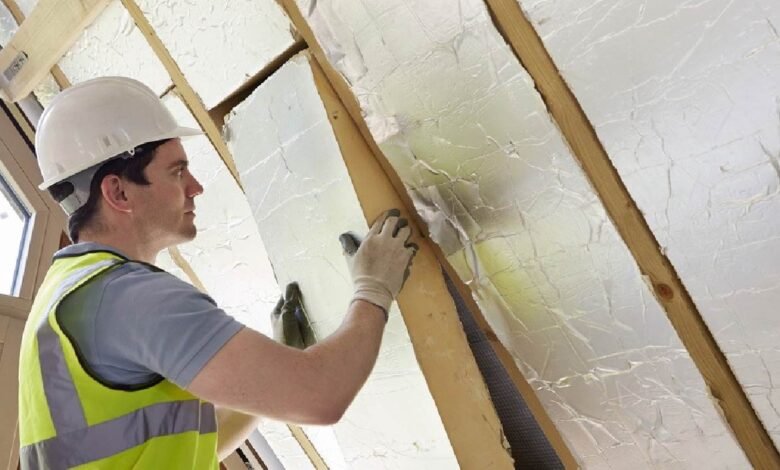
Energy costs never cease to impact household budgets across the country. Many homeowners experience uneven indoor temperatures without identifying the root cause. Small gaps in walls, ceilings, and floors allow conditioned air to escape silently. Proper insulation creates a more stable indoor environment and supports long-term energy efficiency.
Professional home insulation services provide targeted solutions that address heat loss and air leakage within specific areas of a property. Trained technicians assess attics, wall cavities, and crawl spaces to determine insulation needs. With proper material selection and expert installation, insulation becomes a dependable long-term investment. The following five benefits explain how insulation improves overall energy efficiency.
1. Reduces Heat Loss During Cold Weather
Insulation slows the transfer of heat through walls and ceilings during colder months. Warm indoor air remains inside for longer periods without rapid escape. This reduces demand on furnaces and other heating equipment. Lower system workload translates into measurable energy savings.
Consistent indoor temperatures create a more comfortable living environment. Homeowners rely less on constant thermostat adjustments. Reduced heat loss also prevents uneven room temperatures throughout the house. Effective insulation strengthens winter performance and lowers heating costs.
2. Blocks Excess Heat During Warm Seasons
Insulation serves as a protective barrier against outdoor heat during the summer months. Attic insulation prevents high exterior temperatures from penetrating living spaces. Cooler indoor air stays contained for longer durations. As such, air conditioning systems operate with improved efficiency.
With limited heat entry, cooling equipment cycles less frequently throughout the day. This controlled performance reduces electricity consumption. Indoor comfort remains steady even during peak heat. Proper insulation enhances summer energy efficiency significantly.
3. Supports HVAC System Efficiency
Heating and cooling systems depend on insulation to maintain balanced indoor conditions. Without adequate coverage, conditioned air escapes through gaps and poorly insulated surfaces. This forces equipment to run extended cycles to reach target temperatures. Increased operation raises both energy costs and system wear.
Strong insulation reduces unnecessary strain on HVAC components. Systems achieve desired temperatures more quickly and maintain them with less effort. Reduced workload improves reliability and extends equipment lifespan. Improved system performance leads to long-term cost savings.
4. Minimizes Air Leaks and Drafts
Small cracks, seams, and structural gaps allow uncontrolled air exchange between interior and exterior spaces. Insulation materials help seal these areas and stabilize airflow. Controlled air movement prevents sudden temperature fluctuations. Draft reduction improves comfort throughout the home.
Professional home insulation services ensure thorough coverage in difficult or hidden areas where leaks may occur. Expert installation strengthens the overall building envelope. Proper sealing prevents conditioned air from escaping unnecessarily. Reduced air leakage plays a vital role in improving energy efficiency.
5. Delivers Long-Term Energy Savings
Insulation provides financial advantages that extend beyond immediate utility reductions. Lower heating and cooling demand creates consistent monthly savings. Energy-efficient homes also attract higher market value and buyer interest. Insulation upgrades offer practical return on investment.
Improved thermal control supports environmental responsibility through reduced energy use. Lower consumption decreases the overall carbon impact from household operations. Stable indoor temperatures also promote healthier living conditions. Quality insulation remains a reliable solution for homeowners who value efficiency and comfort.
Home insulation directly improves energy efficiency by controlling heat transfer and reducing system strain throughout the year. By limiting heat loss, blocking external heat, and sealing air leaks, insulation strengthens overall performance. Professional installation ensures consistent and lasting results. With proper insulation in place, homeowners enjoy lower energy costs and improved comfort in every season.